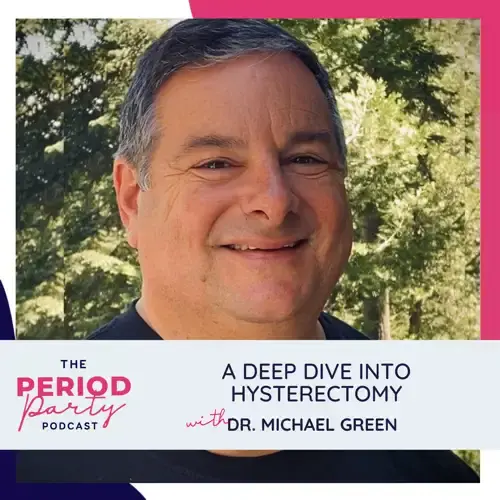
Hysterectomy may be considered for several conditions.
Dr. Green notes several reasons a hysterectomy may be recommended, including fibroids, severe bleeding, adenomyosis, endometriosis, uterine prolapse, certain precancerous changes, and cancer. The appropriate reason for surgery depends on the underlying condition, symptom severity, prior treatment attempts, and the patient's goals.
Not every hysterectomy is the same.
Hysterectomy terminology can be confusing. A total hysterectomy generally refers to removal of the uterus and cervix, while ovary removal is a separate procedure that may or may not happen at the same time. Patients should ask their surgeon exactly which organs will be removed and why.
Surgical approach affects recovery.
Dr. Green discusses vaginal, laparoscopic, robotic, and abdominal hysterectomy options. The best approach may depend on factors such as the size of the uterus, scar tissue, the condition being treated, and whether other procedures are needed.
Removing the ovaries can cause surgical menopause.
When both ovaries are removed, hormone levels drop suddenly and trigger surgical menopause. Symptoms may include hot flashes, night sweats, sleep disruption, mood changes, vaginal dryness, lower libido, and changes in energy levels or body composition.
Shared decision-making matters before surgery.
A hysterectomy ends the ability to carry a pregnancy and involves recovery time, surgical risks, and possible long-term effects. Dr. Green emphasizes the importance of understanding all available treatment options, asking questions, considering fertility goals, and making a decision with a trusted doctor when surgery is being considered.