Hormone Therapy (HT) for Menopause:

Uses, Benefits, Safety, and Treatment Options

Article Content

What is hormone therapy for menopause?The Facts: Is hormone therapy safe?The Proven Benefits of Modern, Bioidentical HRT

Are you navigating the menopause transition all on your own? If so, you’re probably exhausted from disruptive hot flashes, unpredictable mood swings, and restless nights. Menopause isn’t something you should have to suffer through. If it feels like there’s no relief in sight, you no longer need to worry. Hormone therapy (HT) for menopause is scientifically proven to be the safest, most effective treatment.(1)

It’s natural to have concerns about any new treatment. If you’re cautious about starting hormone therapy, Winona is here to help you feel confident and informed. We’ll address any questions you have, clarify outdated myths with modern research, and explain how a personalized, bioidentical HRT treatment plan can safely and effectively restore the quality of life you deserve.

What is hormone therapy for menopause?

HRT for menopause is a treatment that addresses and reduces menopausal symptoms. It raises the body’s estrogen and progesterone levels that naturally decline with age. Instead of simply masking symptoms, HRT directly treats the cause.(2)

Women Smiling

Estrogen and progesterone are the two main reproductive hormones in your body. When levels of these hormones decline, it can trigger hot flashes, vaginal dryness, and other common menopause symptoms. (3)

Hormone therapy for menopause comes in different forms and can be used to treat whole-body symptoms (systemic) or localized symptoms. Because there’s more than one way to receive hormone therapy, you and your doctor can choose the best option that fits your unique health needs.

The Facts: Is hormone therapy safe?

There are many outdated misconceptions about hormone therapy, and the broad claims about safety risks come from old research findings that have been revised. We’ll break down the evolution of research about HRT for menopause and what the data says today.

The Myth: Why People Are Worried (Outdated Studies Explained)

Hand Typing

Fears about HRT for menopause spread after a 2002 study called the Women’s Health Initiative (WHI) claimed that combined HRT with estrogen and a progestogen increased the risk of breast cancer. This triggered anxiety among the general public, causing a significant decline in HRT use for a generation of women. The WHI study also suggested that combined treatment increased women’s risk of coronary heart disease.(2)(4)

However, the findings were misinterpreted and key details are often confused, even today. One of these key details is the type of hormones that were studied. The researchers used synthetic hormones. Synthetic hormones are different from bioidentical hormones, which are identical to those produced by the body. Another important detail is that most women in the study were a decade or more past menopause, which carries its own inherent risk.

Ultimately, the research findings do not represent menopausal women of all ages, all types of estrogen, and all forms of hormone therapy. Newer research reports different, more beneficial aspects of HRT treatment for menopause.

The Modern Reality: What Current Research Shows

Women chest

Over the years, experts have taken a look back at the original WHI study to address these misinterpretations.

What the findings actually showed was that estrogen therapy alone reduced breast cancer risk by 23% and breast cancer death by 40%. Although there was a slight increased risk of breast cancer associated with combined synthetic estrogen and progestin HRT, breast cancer death risk did not increase. Researchers from the WHI have since acknowledged that estrogen therapy reduces the risk of breast cancer.(2)(4)

Although hormone-sensitive cancers are considered a contraindication for HT, new research suggests that not every form of menopause hormone therapy may be off limits for women with a history of breast cancer. A 2025 study published in the American Journal of Obstetrics and Gynecology showed that low-dose vaginal estrogen use among breast cancer survivors was not associated with an increased risk of recurrence, death from breast cancer, or overall mortality.(5)

Researchers have also found that the increased risk of coronary heart disease reported in the original WHI study was not statistically significant, meaning the evidence was so weak that it could have occurred by chance. The form of menopausal HT also matters, as transdermal HT is not associated with cardiovascular risks in the same way oral HT is. In fact, current research demonstrates that hormone therapy may protect women’s heart health later in life.(2)

Current research shows that HT may reduce the risk of additional health conditions that commonly affect postmenopausal women later in life. This includes osteoporosis, cardiovascular disease, cognitive decline, fatty liver disease, and type 2 diabetes.(6)(7)

For most healthy women with no treatment contraindications, the Menopause Society states that the benefits of HT for menopause generally outweigh the risks when treatment is started before the age of 60 or within ten years of the final menstrual period.(1)

The Winona Difference: How Winona Prescribes Safely

Winona Product

Safety is Winona’s top priority. That’s why we only prescribe bioidentical hormones instead of synthetic hormones. Bioidentical hormones are molecularly identical to the hormones made in your body, compared to synthetic hormones, which are not an identical match and often come from animal sources.

We offer the safest modern forms of bioidentical HRT for menopause. In addition to oral pills, we also offer transdermal patches and creams that are absorbed directly into the bloodstream. This means the medication bypasses metabolization by the liver, which may result in fewer side effects.(8) Winona owns and operates its own 503-A-regulated compounding pharmacies to ensure the highest standards for safety and quality.

The Proven Benefits of Modern, Bioidentical HRT

High-quality studies repeatedly confirm that HRT can reduce or eliminate physical and mental menopausal symptoms, while also benefiting women’s health in the long run.

Most Effective Symptom Relief

There’s no comparison when it comes to HRT’s ability to effectively relieve the most bothersome symptoms of menopause. Here are some of the different benefits you may experience:

  • Fewer Hot Flashes:
    HRT is the first-line treatment method for menopausal hot flashes. A systematic review showed that women who received oral HRT experienced 75% fewer weekly hot flashes compared to women who were given a placebo.(1)(9)

Frame 1618870403
  • Better Sleep:
    Estrogen helps regulate body temperature, while progesterone has sleep-enhancing effects. If night sweats are keeping you awake, hormone therapy may help you get a more comfortable night’s rest.(2)

Better sleep
  • Reduced Brain Fog:
    Problems with memory (brain fog) are common during menopause. As hormone levels fluctuate, you may have trouble concentrating or remembering certain words. HRT can help clear the fog by supporting cognitive health.(10)

Reduced brain fog
  • Improved Vaginal Health:
    Without estrogen, the vaginal tissues become thin and dry. This can cause uncomfortable symptoms of genitourinary syndrome of menopause (GSM), including vaginal dryness, burning sensations, or painful sex. If these symptoms have caused a dip in your sex drive, localized vaginal estrogen can provide relief.(1)

Improved vaginal health

Powerful Long-Term Health Protection

Menopausal hormone therapy doesn’t only offer symptom relief, it can also protect your long-term health in the following ways:

  • Protecting Your Bones:
    Women lose bone mineral density (BMD) at a faster rate starting in perimenopause. HRT protects against bone loss and is FDA approved for osteoporosis prevention in postmenopausal women.(1)(2)

Protecting your bones
  • Supporting Your Heart Health:
    Combined HRT may reduce your risk of heart attack when started before age 60 and within ten years of menopause.(11)

Supporting your hearth rate
  • Reduce Disease Risks:
    For women under the age of 60, HRT has been shown to lower the risk of diabetes and all-cause death. Some research also suggests that women who use HRT may have a lower risk of colorectal cancer.(1)

Reduced disease risks

Understanding the Risks of HRT (and How to Manage Them Properly)

Just like any medication, hormone therapy comes with potential risks. However, a patient’s risk level is influenced by many factors, including genetics, medical conditions, and health habits. The overall chances of developing health problems from HRT are rare. Some of these risks can also be managed by choosing transdermal treatments.(1)(2)
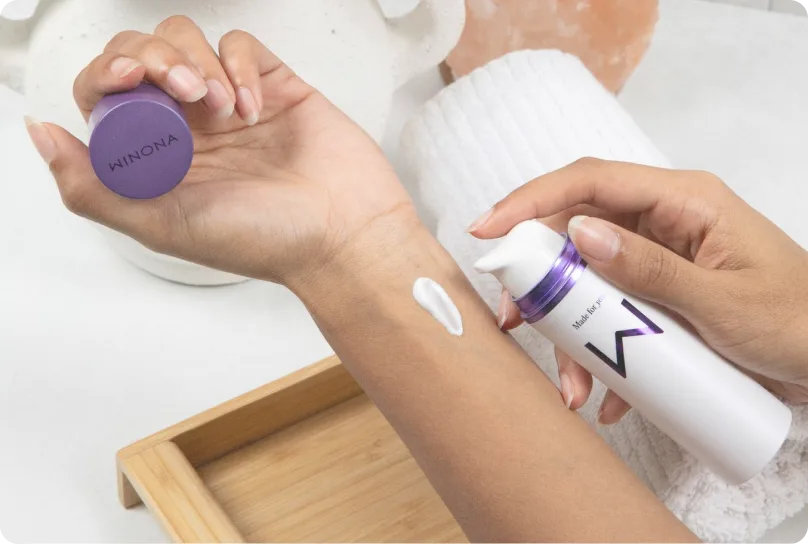
Women apply lotion

When HRT is administered through the skin, it’s processed by the bloodstream, not the liver. According to the American College of Obstetricians and Gynecologists (ACOG), when oral HRT is metabolized by the liver, it may increase levels of substances in the body that promote blood clot formation. Transdermal HRT, on the other hand, is not associated with this particular effect.(2)(12)

Blood Clotting

HRT for menopause poses a small increased risk of blood clots. However, this risk is mainly associated with oral estrogen and is not as much of a risk with transdermal treatments like patches or creams.(2)

When HRT is administered through the skin, it’s processed by the bloodstream, not the liver. According to the American College of Obstetricians and Gynecologists (ACOG), when oral HRT is metabolized by the liver, it may increase levels of substances in the body that promote blood clot formation. Transdermal HRT, on the other hand, is not associated with this particular effect.(2)(12)

Breast Cancer

Although there is a small increased risk of breast cancer with HRT for menopause, it’s important to weigh how other lifestyle factors also play a role in this risk.

  • Alcohol Use:
    Data published by the British Menopause Society (BMS) showed that, while there is an increased breast cancer risk associated with combined HRT, drinking two or more units of alcohol daily is associated with a slightly higher risk than from hormone therapy use.(13)


Juice
  • Obesity:
    Obesity was associated with the greatest risk increase — approximately six times higher than the added risk linked with HRT. Limiting alcohol consumption and maintaining a healthy weight can help lower your risk of breast cancer while undergoing treatment.(13)

obesity
  • Bioidentical or Synthetic HRT:
    It’s also important to consider the type of hormones used. Although more research is needed, some evidence suggests the risk of breast cancer may be lower with micronized progesterone (a bioidentical hormone) than with synthetic progestins.(2)

Bioidentical or Synthetic HRT:

When you consider the bigger picture and numerous benefits, it can help you make an informed decision about HRT treatment for menopause by putting breast cancer risk into perspective.

Common Side Effects:

Here are some of the most common side effects you may experience with HRT for menopause:

Women common side effects
  • Vaginal bleeding or spotting (breakthrough bleeding)

  • Breast tenderness

  • Mood changes

  • Headache

  • Nausea

  • Bloating

Most side effects will resolve on their own. Some may cease within days, while others may improve in the weeks or months after starting treatment.

Women holding dumbels
  • Eating a healthy diet

  • Eating smaller meals or plain foods if nauseous or bloated

  • Exercising regularly

  • Getting plenty of sleep

  • Wearing a soft, fitted bra for breast tenderness

  • Taking acetaminophen or ibuprofen for headaches

  • Reaching out to your emotional support system

Hormone Therapy Options

HRT is available in different forms and with different types of hormones. Understanding these differences can help you confidently decide which options may be best for you.

Bioidentical vs Synthetic

Bioidentical vs. Synthetic Hormones

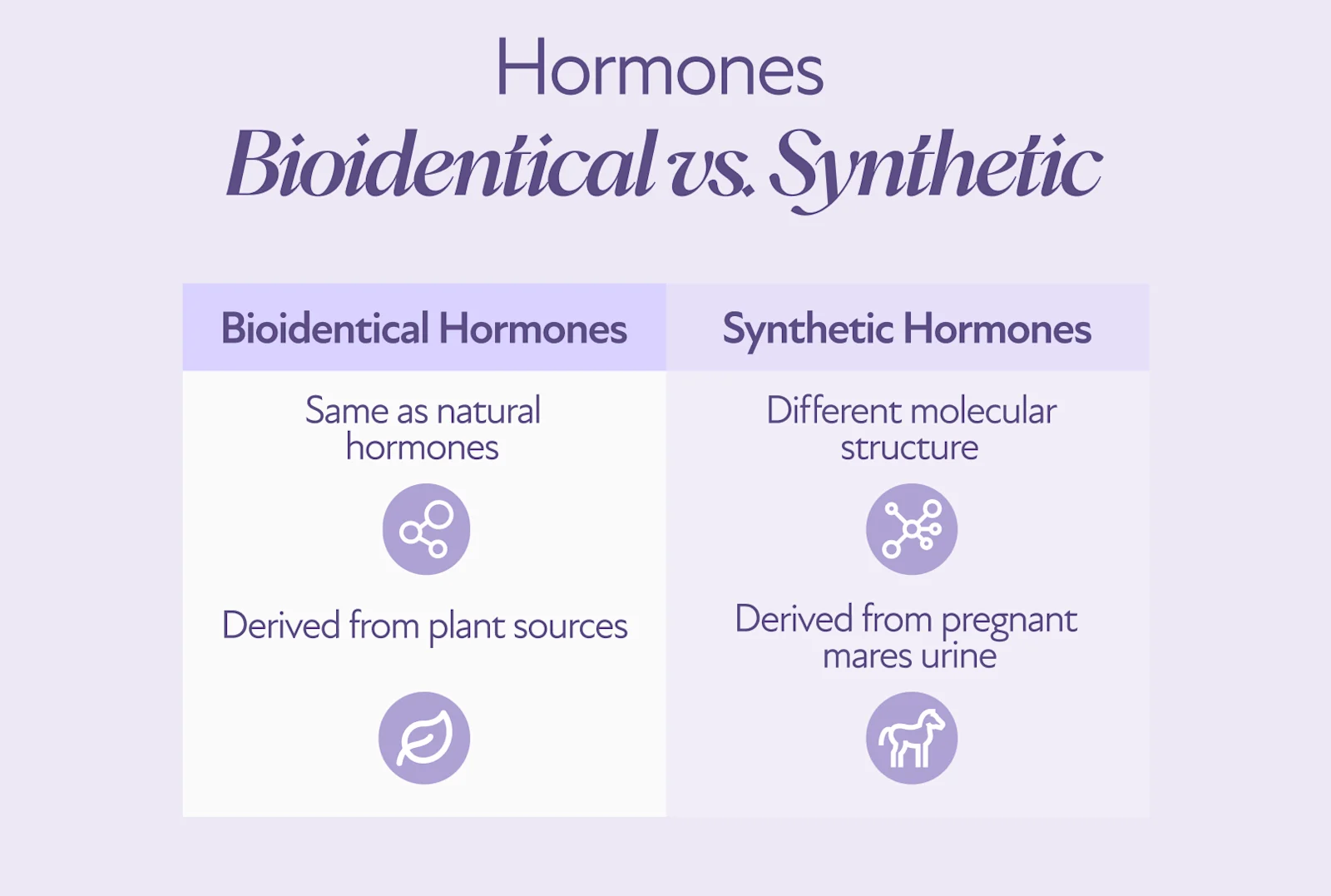
Bioidentical hormones have the same chemical and molecular structure as the hormones produced naturally in your body. These hormones are synthesized from plant sources, while synthetic hormones are typically derived from the urine of pregnant horses and have a slightly different structure than your body’s natural hormones.(15) Winona only uses bioidentical hormones to ensure the greatest compatibility with your body.

Systemic vs. Local Therapy

The difference between systemic and localized therapy is that systemic treatments affect your entire body, while localized treatments deliver medication to just one area.(1)

Systemic Hormone Therapy

  • What it is:
    This is a hormonal treatment that travels through the blood stream to reach multiple tissues and organs in your body.

what is it
  • What it treats:
    Systemic treatment addresses whole-body menopausal symptoms like hot flashes, night sweats, brain fog, and mood swings.

what it treats
  • Common forms:
    Oral pills, transdermal patches, and topical body creams are the most common forms of systemic HRT for menopause.

common forms

Local Hormone Therapy

  • What it is:
    Local therapy is a low-dose hormonal treatment that targets a specific area of the body by delivering the medication into those tissues. Minimal amounts of the medication are absorbed systemically.

what is it 2
  • What it treats:
    It alleviates vaginal dryness, pain during sex, and other vaginal and urinary symptoms.

what it treats 2
  • Common forms:
    Localized treatments come in the form of vaginal creams, tablets, rings, or inserts.

common forms 2

Hormone Functions and Benefits:

Estrogen: Estrogen plays a role in many systems in the body, including metabolism, heart, bone, and brain function. Estrogen replacement therapy alleviates both physical and mental symptoms of the menopause transition.

Benefits of estrogen replacement therapy include:(2)(16)

  • Reduced hot flashes & night sweats

  • More restful, uninterrupted sleep

  • Reduced hormonal weight gain

  • More even, stable moods

  • Increased energy

  • Better focus, memory, and concentration

  • Reduced hip & joint pain

Progesterone: Progesterone plays a vital role in balancing estrogen levels and maintaining endometrial health during the menopause transition.

Benefits of progesterone replacement therapy include:(2)(16)

  • Reduced vasomotor symptoms (hot flashes, night sweats)

  • Improved sleep

  • Promotion of healthy uterine lining 

  • Reduced irregular bleeding

DHEA: DHEA is a hormone precursor the body uses to create testosterone and supplementing DHEA is a safer, gentler way to raise testosterone levels for women. Testosterone levels impact bone and muscle health, memory and brain function, energy levels, and libido.

Benefits of DHEA replacement therapy include:(17)

  • Increased energy levels

  • Improved metabolism

  • Enhanced libido

  • Stronger memory & cognitive function

  • Protection of bone strength

  • Improved skin health & collagen production

  • Promotion of healthy muscle mass 

Build your personalized HRT treatment plan with Winona.

Everyone’s menopause experience is unique, so your menopause HRT treatment should be too. At Winona, you’ll receive a personalized treatment plan tailored to your specific symptoms, needs, and lifestyle. A doctor will help you choose the best dose and delivery method for you.

It’s easy to work bioidentical hormone therapy into your daily schedule with personalized treatment. The following modern, bioidentical HRT treatments can be combined and tailored to you.

Estrogen Therapy: Comprehensive Symptom Relief

The first step is to choose the form of estrogen therapy that’s right for you. Transdermal patches, body creams, and oral tablets are all systemic treatment options for full-body physical and mental symptoms of menopause.

Progesterone Therapy: Uterine Protection and Sleep Support

If you have a uterus, you may be prescribed progesterone along with estrogen to protect uterine health. Progesterone may also enhance sleep quality. Women tend to have more sleep disturbances when progesterone levels are low. Because of the hormone’s sedative effects on the brain, increasing low progesterone levels during menopause may help you sleep more soundly.(18)

Combined & Localized Hormone Therapies

Our combined estrogen and progesterone body cream is an easy, two-in-one transdermal solution that eliminates the hassle of taking estrogen and progesterone separately. Localized estrogen cream is the preferred option to treat vaginal symptoms rather than whole-body symptoms.

Because there is minimal full-body absorption with localized treatments, vaginal estrogen can be safely combined with systemic HRT for those who need both targeted vaginal relief and treatment for other menopausal symptoms.

Is hormone therapy right for you?

Knowing the benefits, risks, and contraindications of treatment can help you feel confident when making a decision about hormone therapy. Consider the following factors to get a better idea of whether you may be a good candidate for menopausal HRT. 

HRT is often an excellent option if:

  • You’re under the age of 60

  • You’re within ten years of your final menstrual period

  • You’re generally healthy

  • You’re in perimenopause and experiencing hot flashes, night sweats, and mood changes that are disrupting your daily life

  • You’re in postmenopause and still struggling with symptoms

  • Vaginal dryness is impacting your sex life

  • You’re at risk for osteoporosis

Frame 1618870404

HRT may NOT be the right fit if:

  • You’re over the age of 60

  • It’s been more than ten years since you reached menopause

  • You have a history of estrogen-dependent cancer 

  • You’re genetically susceptible or at an increased risk of hormone-sensitive cancers

  • You have coronary heart disease

  • You have liver disease

  • You’re experiencing unexplained vaginal bleeding

  • You’ve experienced a venous thromboembolic event, stroke, or mini-stroke

  • You smoke

Frame 1618870404

Not all of these items are strict contraindications. However, they may increase health risks associated with HRT. That’s why it’s important to disclose your medical history in detail to your doctor who can make the most appropriate recommendation based on your needs and risk factors.

Winona’s Approach: Personalized, Doctor-Prescribed HRT

Receive everything you need to feel your best, from personalized treatment plans to convenient telehealth care.

container-img
  • Experienced Physicians: Feel at ease in the care of a board-certified physician who has extensive experience and specializes in menopause.

  • Personalized Treatment Plans: Achieve the best results with tailored HRT using the safest, bioidentical hormones.

  • Convenience & Ongoing Support: Skip wait times and pharmacy lines with convenient online care, 24/7 messaging access, and unlimited adjustments.

  • Proven Results: The results speak for themselves. Join thousands of happy patients who found relief with Winona and never looked back.

Ready to get started?

You don’t have to live with uncomfortable menopause symptoms. Reclaim your well-being with a personalized HRT treatment plan. Winona makes it easy to find safe, effective relief and protect your future health. Explore your options today.

Frequently Asked Questions About HRT

  • Hormone replacement therapy (HRT), or hormone therapy for menopause (HT), is a medical treatment used to relieve menopausal symptoms by supplementing levels of reproductive hormones that naturally decline during the menopausal transition. By increasing low estrogen and progesterone levels, HRT can effectively reduce symptoms like hot flashes, night sweats, vaginal dryness, and mood swings.

  • It can take up to three months to feel the full effects of HRT for menopause, although many women experience improvement within the first four to six weeks.

  • The difference between sequential and continuous HRT for menopause is the medication schedule. With a sequential combined treatment regimen, estrogen is taken daily and progesterone is taken for a portion of the month. This causes withdrawal bleeding, which is similar to your monthly period. Continuous combined HRT involves taking estrogen and progesterone together every day. No withdrawal bleeding occurs with continuous combined HRT.(19)

  • Yes, HRT requires a prescription from a licensed healthcare provider. Like all medications, HRT has potential health risks, and an evaluation of a patient’s individual medical history, symptoms, and risk factors is needed to determine if a prescription is safe and appropriate. Winona’s telehealth platform is designed to handle this process for you, connecting you with a board-certified doctor who can evaluate your needs and issue a prescription if you are a good candidate for treatment.

  • Women can get HRT online through secure telehealth platforms like Winona. Starting with Winona is simple. You begin by completing an online intake form with your medical history and symptoms. A board-certified doctor will review your information to determine if you are a candidate for HRT and will develop a personalized treatment plan. If prescribed, your medication will be shipped discreetly to your home.

  • Winona prescribes bioidentical estradiol, estriol (two types of estrogen), and progesterone in different forms, including pills, patches, and creams. We also prescribe DHEA supplements. Our doctors create a personalized plan to address your specific symptoms. Currently, we do not prescribe testosterone.

  • Winona’s estrogen patches, estrogen tablets, and progesterone capsules are FDA approved. Because compounded formulations (estrogen and progesterone body creams) are patient-specific, they are not regulated or approved by the FDA. However, our compounded creams are made with FDA-approved ingredients. DHEA is considered a supplement.

  • Yes, Winona’s HRT treatments are safe for patients who are appropriately screened and identified as good candidates for treatment.

  • Side effects are usually mild and may include vaginal bleeding (breakthrough bleeding), bloating, nausea, and breast tenderness. Side effects typically subside within the first few weeks of treatment as your body adjusts to the medication.

  • The cost of treatment varies depending on your personalized prescription(s). While we don’t accept insurance directly at this time, you can submit treatment receipts to your insurance provider for possible reimbursement. Winona also accepts Health Savings Accounts (HSA) and Flexible Spending Accounts (FSA) as payment.

  • No, you do not have to take HRT forever. Hormone therapy can be used for as long as it effectively relieves your symptoms and is safe for you to do so.(1) For some women, menopausal symptoms naturally fade as hormone levels stabilize during postmenopause. If that’s the case, HRT may no longer be of use to you. However, it’s possible that some symptoms like hot flashes may return after stopping treatment. 

This article is for informational purposes only and does not constitute medical advice. The information contained herein is not a substitute for professional medical advice. Always talk to your doctor about the risks and benefits of any treatment.

References: