Key Takeaways
Nutrition works alongside HRT, not instead of it
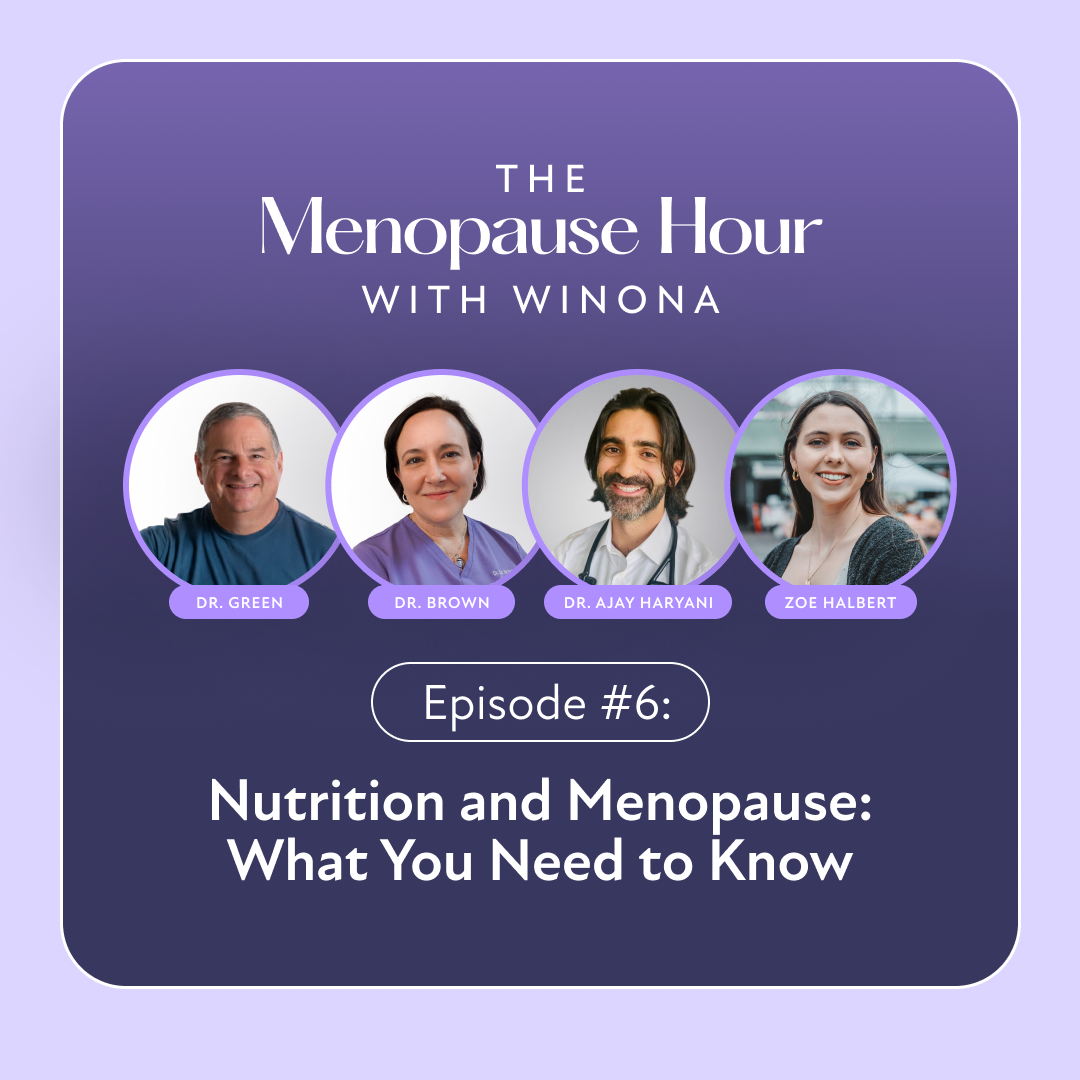
Dr. Haryani and Zoe Halbert framed food as a powerful clinical tool whether or not someone is on hormone therapy. It can support how someone feels day-to-day and their long-term health, but it isn't a replacement for HRT when hormone therapy is what's needed.
Phytoestrogen-rich foods may ease hot flashes
Plant compounds found in soy, chickpeas, and flaxseed can have a mild estrogen-like effect in the body. Zoe Halbert noted foods like tofu, tempeh, and soy milk can work well alongside other menopause treatments to help with symptom management.
Bloating from new HRT usually settles within a month
Dr. Green explained that starting estrogen treatment can temporarily slow digestion and cause bloating. Zoe Halbert added that smaller, more frequent meals and steady hydration can help ease this while the body adjusts.
Restrictive diets like keto and intermittent fasting aren't required for menopause
Zoe Halbert noted these approaches may offer some benefits but often aren't sustainable long-term and can leave people short on fiber and nutrient density. A consistent, whole-food approach can achieve similar results in a more sustainable way.
Surgical menopause raises cardiovascular risk more than natural menopause
Dr. Green noted that women who go through surgical menopause, especially at a younger age, face a higher risk of heart disease and stroke than those who transition naturally — making heart-healthy nutrition and HRT both more important in that situation.