Waking up in the morning with stiff, achy joints can leave women in their mid-40s feeling as though they’re aging faster than expected. What may come as a surprise is that joint pain isn’t always related to aging.
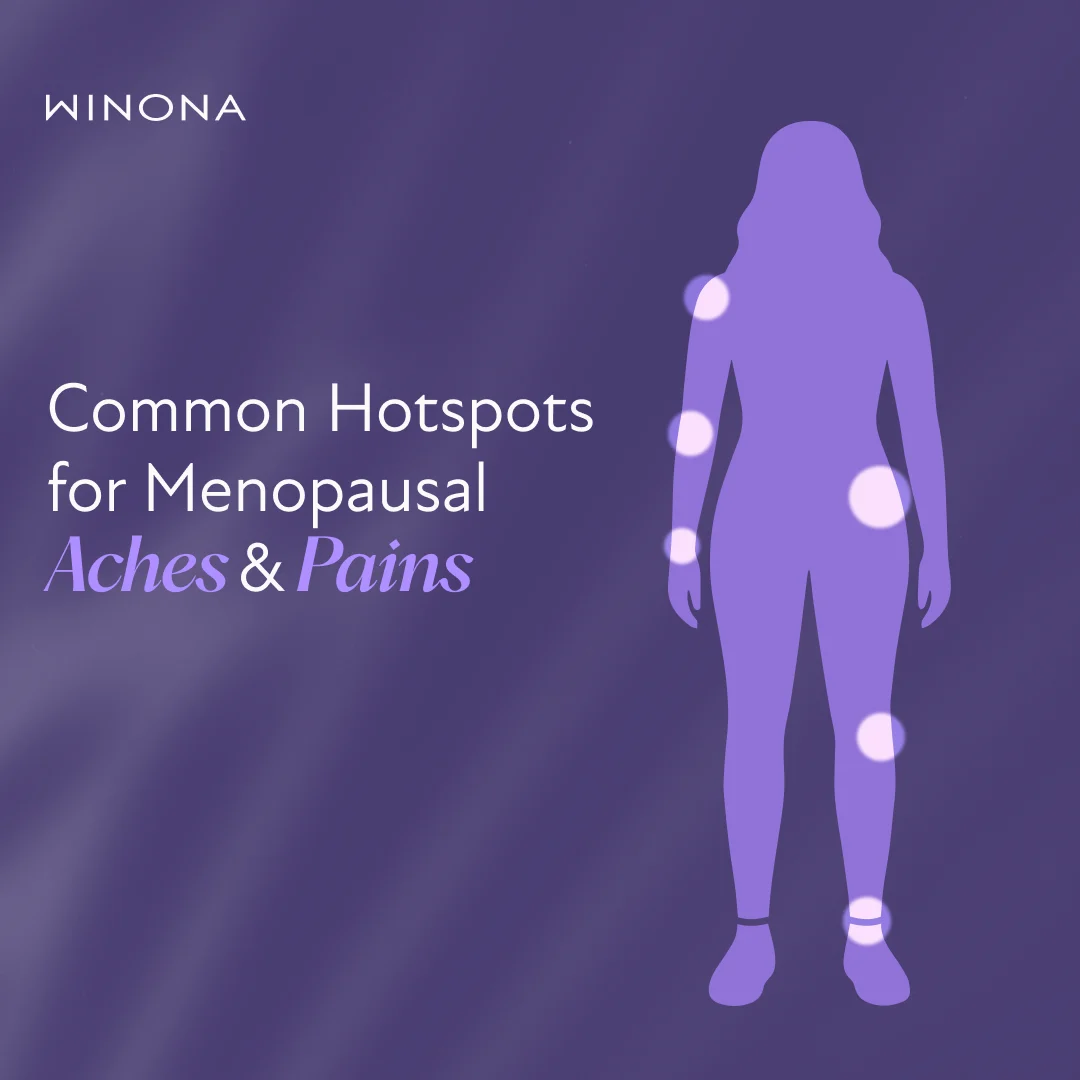
Estrogen is essential for joint function, and hormonal fluctuations during the menopausal transition can affect cartilage health, inflammation levels, and joint lubrication. These changes can lead to stiffness or aching in areas like the knees, shoulders, or hips. Fortunately, women don’t have to accept joint pain as an inevitable part of this new phase of life.
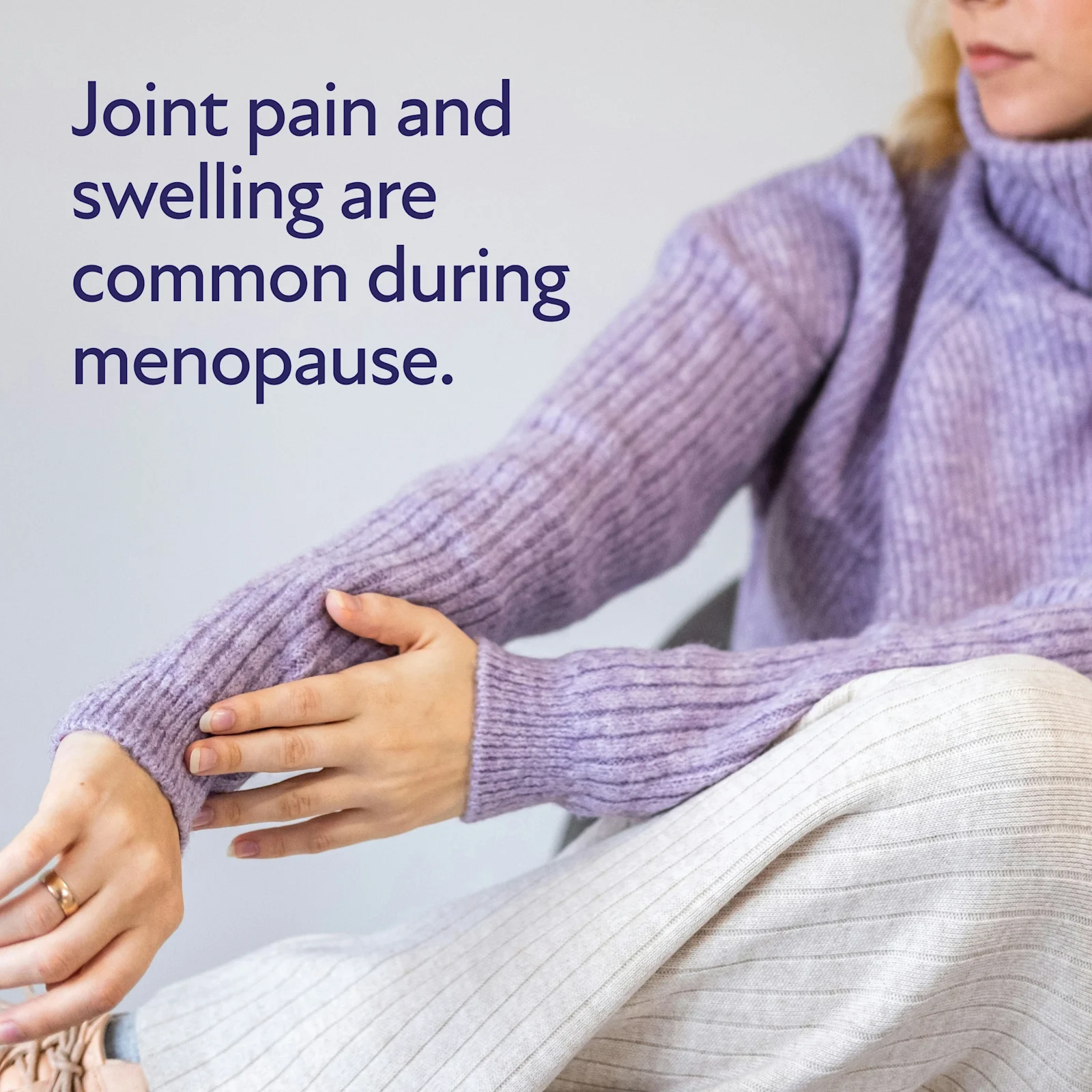
Menopause joint pain is more common than women may think. Research shows that over half of women going through the menopause transition experience joint pain, medically known as arthralgia.(1)
This article will cover the different ways estrogen affects the joints and explain how a combination of hormonal treatments and lifestyle changes can help relieve this lesser-known symptom of menopause.
The Estrogen-Joint Pain Connection: Why Your Joints Hurt
The reason the joints may start to hurt during the menopausal transition is thought to be related to declining estrogen levels.
Symptoms of menopausal joint pain may include the following:
To better understand why this pain develops, it’s important to look at the different roles estrogen plays in maintaining healthy joint function.
Estrogen's Role as a Natural Anti-Inflammatory
Estrogen has natural anti-inflammatory properties. When estrogen levels drop, the production of pro-inflammatory proteins increases because there isn’t enough estrogen to keep levels under control.(2)
Inflammation can cause swelling and pressure in the affected joints. It also increases nerve sensitivity to pain signals.(3) Without enough estrogen to regulate this immune response, the combination of swelling, pressure, and heightened nerve sensitivity can cause joint pain as hormone levels change during menopause.
Supporting Collagen and Cartilage Health
Collagen is a protein that’s essential to the structure of bones, ligaments, and other connective tissues in the body. It’s needed to maintain strong, healthy cartilage — the fibrous tissue that covers the ends of the bones in the joints. This protective cap allows the joints to move smoothly and helps prevent painful bone-to-bone friction.(4)(5)
Estrogen helps regulate cartilage metabolism, which is the natural cycle of cartilage breakdown and repair.(6) As hormone levels decline during the menopausal transition, inflammation can increase, promoting the activity of certain enzymes, including collagenase. Collagenase breaks down collagen. Because cartilage is largely made up of collagen, this process can also cause cartilage to break down, leading to joint pain.(7)
Regulating Fluid
Musculoskeletal cramping can be a sign of dehydration. Estrogen plays an important role in fluid regulation by influencing brain and endocrine signals responsible for thirst, water retention, and electrolyte balance.(8)(9)
When estrogen levels are higher during women’s reproductive years, the body’s threshold for triggering thirst is lower. This means it takes smaller increases in sodium and other electrolytes in the blood to stimulate a thirst response in the brain.(9)Aging is associated with a loss of thirst sensitivity. On top of this, hormonal shifts during the menopausal transition also impact thirst. As a result, older women may not drink enough water, increasing the risk of dehydration and related joint pain.(10)
Maintaining Joint Lubrication
Joints rely on what’s called synovial fluid to stay lubricated. A loss of estrogen can affect the synovial membrane, which lines the inside of the joints and is where the synovial fluid is produced.(11)(12)
A 2022 study published in the American Journal of Translational Research found that protein levels in the synovial tissue of postmenopausal women with osteoarthritis were significantly different from those in premenopausal women with the condition. These findings suggest that changes during the menopausal transition may affect the molecular makeup of the synovial lining.(13)
Although a direct link between estrogen deficiency and reduced joint lubrication hasn’t been established, the inflammation, cartilage breakdown, and molecular changes to the synovial membrane that occur when estrogen levels fall may contribute to decreased joint lubrication and pain.
A Plan for Managing Menopause Joint Pain
Menopause joint pain requires a multi-pronged treatment approach. The discomfort can be effectively managed with medical treatments that target the direct cause of symptoms as well as lifestyle strategies that support overall musculoskeletal health.
Medical Treatments: Addressing the Root Cause
The following medical treatment options may be recommended for menopause joint pain relief:
Hormone Replacement Therapy (HRT)
The Menopause Society recognizes HRT, also called menopause hormone therapy (MHT), as the most effective treatment for managing menopausal symptoms. It works by supplementing low levels of reproductive hormones that fluctuate and decline during the menopausal transition.(14)
Estrogen is the main hormone used in treatment. Research shows that estrogen may help reduce inflammation, enhance bone mineral density (BMD), strengthen muscles, increase collagen in the connective tissues, and reduce stiffness in the tendons and ligaments. All of these components are key in maintaining joint structure and supporting pain-free movement.(15)
MHT can help address the hormonal causes of joint pain. However, if joint pain during menopause is related to a health condition like osteoarthritis or rheumatoid arthritis, hormone therapy is not an appropriate first-line treatment method, as these conditions have different root causes. It’s important to consult with a specialized physician to determine the underlying cause of joint pain and proper treatment methods.
Alternating between warm and cold compresses on achy joints may provide temporary pain relief. Heating pads, hot water bottles, or even a soothing bath can all serve as effective warm compresses. Cold compresses, such as an ice pack wrapped in a protective cloth, can help reduce swelling, inflammation, and pain.
Over-the-Counter (OTC) Pain-Relief Medications
Certain OTC medications can offer short-term relief. These include pain relievers like acetaminophen, topical gels like diclofenac, and non-steroidal anti-inflammatory drugs (NSAIDs) like ibuprofen or naproxen. Individuals should talk with their doctor before starting any medication, as these treatments may cause side effects and are not recommended for everyone.
Movement as Medicine: The Best Exercises for Achy Joints
Physical activity might seem counterintuitive, but it can significantly help ease joint pain. Exercises that boost muscle strength and joint mobility are especially important to focus on during this phase of life.
The best exercises to relieve achy, creaky joints during the menopausal transition include the following:
Low-Impact Aerobic Exercise for Weight Management: Excess body weight can place strain on the body’s joints. According to guidelines from the Office of Disease Prevention and Health Promotion (OASH), adults are recommended to get 150 minutes or more of moderate-intensity physical activity every week.(16) For menopausal women, it’s best to start with low-impact cardio exercises like swimming, cycling, or walking, as these activities are gentler on the joints.(17)
Strength Training for Musculoskeletal Health: The OASH states that adults should aim to get in two days of muscle-strengthening exercises each week.(16) Lifting weights or using resistance bands are great activities for strength building. However, standing exercises or other movements that involve supporting one’s own body weight can also promote musculoskeletal health during the menopausal transition, a time when women start to lose lean muscle mass and bone density more quickly and the risk of osteoporosis increases.(17)
Yoga for Joint Lubrication: Yoga can help in maintaining balance, muscle mass, and flexibility later in life. The practice involves slow, controlled movements that stimulate the secretion of synovial fluid. Properly lubricated joints are essential for mobility as well as for preventing stiffness.(18)
The Anti-Inflammatory Menopause Diet
Eating anti-inflammatory foods may help alleviate inflammation-related joint pain. The Mediterranean diet is believed to be particularly beneficial for postmenopausal women.(19)
In addition to reducing inflammation, this diet has been linked to improvements in muscle performance and enhanced bone remodeling — the body’s process of breaking down and forming new bones. These effects may help relieve menopausal joint pain.(19)
The following foods can help fight inflammation:(20)
Fruits (berries, citrus)
Vegetables (spinach, kale, garlic)
Fatty fish (salmon, mackerel, sardines)
Nuts and seeds (almonds, walnuts, flaxseeds)
Spices (turmeric, ginger, cinnamon)
Probiotic foods (yogurt, sauerkraut)
Legumes
Whole grains
Olive oil
Tea (black, green)
Supportive Supplements for Joint Health
As reported in the Dietary Guidelines for Americans 2020-2025, it’s best to get essential vitamins and minerals through food sources.(21) However, if women aren’t able to meet the recommended daily intake of nutrients through diet, a doctor may recommend supportive supplements.
Research on supplementation for musculoskeletal health is limited and shows conflicting evidence, with some studies reporting mixed results for different areas of the body. Collagen, fish oil, and vitamin D are three supplements that have been explored for their potential impact on musculoskeletal health. Here’s what the science says about collagen, fish oil, and vitamin D.
Collagen
Collagen is needed for the formation of healthy cartilage, but few studies exist examining the effects of collagen supplementation on joint health, with even fewer focusing specifically on menopausal women.
However, a 2018 study published in Nutrients found that postmenopausal women with age-related bone loss who took oral supplements of specific collagen peptides for one year experienced increases in bone mineral density (BMD). Supplementation was also shown to support bone formation and reduce bone loss.(22)
Although the study did not specifically focus on joints, bones make up the supportive structure around them. It’s possible that maintaining a healthy BMD may support joint health. However, research has produced different results, and it’s not yet known if stronger bones automatically translate to healthier joints.
Fish Oil
Fish oil is high in omega-3 fatty acids. Omega-3s help reduce inflammation, a contributing factor to joint pain. However, whether fish oil specifically improves joint health remains unclear, as study findings have been inconsistent.
One 2020 study published in Rheumatology Advances in Practice found that fish oil supplementation improved osteoarthritis pain in older adults with overweight or obesity.(23) Osteoarthritis is a condition that causes a breakdown of joint cartilage, commonly causing pain and stiffness. While the study did not involve menopausal women specifically, the risk of both osteoarthritis and being overweight is higher among postmenopausal women.
In a 2021 scientific review, researchers found that adults over the age of 50 who took n-3 polyunsaturated fatty acid supplements, which are found in fish oil, experienced a slight increase in bone density compared to the control group. This effect was found to be more significant among postmenopausal women.(24)
Fish oil may have the potential to support musculoskeletal health, but more research is needed.
Vitamin D
Vitamin D aids in calcium absorption and promotes bone health. As important as the nutrient is to musculoskeletal function, research findings are mixed, and studies specific to the joints are limited.
A 2021 study published in the Journal of Musculoskeletal & Neuronal Interactions found a link between low vitamin D levels and more severe cases of knee osteoarthritis among postmenopausal women with the condition.(25)
However, it isn’t clear whether vitamin D supplementation may improve certain markers of musculoskeletal health. Researchers from another study looked at whether vitamin D could slow the progression of knee osteoarthritis in adults over the age of 50. After three years, the results showed that vitamin D had no greater effect than a placebo on the rate at which the space between the joints progressively narrowed, signifying cartilage loss. It was also no more effective in improving joint pain, stiffness, or function.(26)
Why It’s Important to Consult with a Doctor About Supplementation
Supplements are not recommended for everyone, and there are risks of side effects and potential drug interactions. If supplementation is recommended, a doctor can offer personalized guidance on which vitamins and supplements may be best suited for alleviating menopause joint pain based on an individual’s specific nutritional needs.
Lifestyle changes can make a meaningful difference in managing menopausal joint pain. However, exercise and dietary modifications are most effective as complementary relief strategies because they don’t address the hormonal cause of the discomfort. Treatment options like HRT can take women from pain management to pain relief by targeting the underlying source of the problem.
If you’re in your mid-40s and have begun experiencing joint pain or other new or unusual symptoms that are affecting your quality of life, try taking Winona’s short health quiz to learn if these changes may be related to the menopausal transition.