Key Takeaways
Perimenopause can bring surprising symptoms far beyond hot flashes and irregular periods
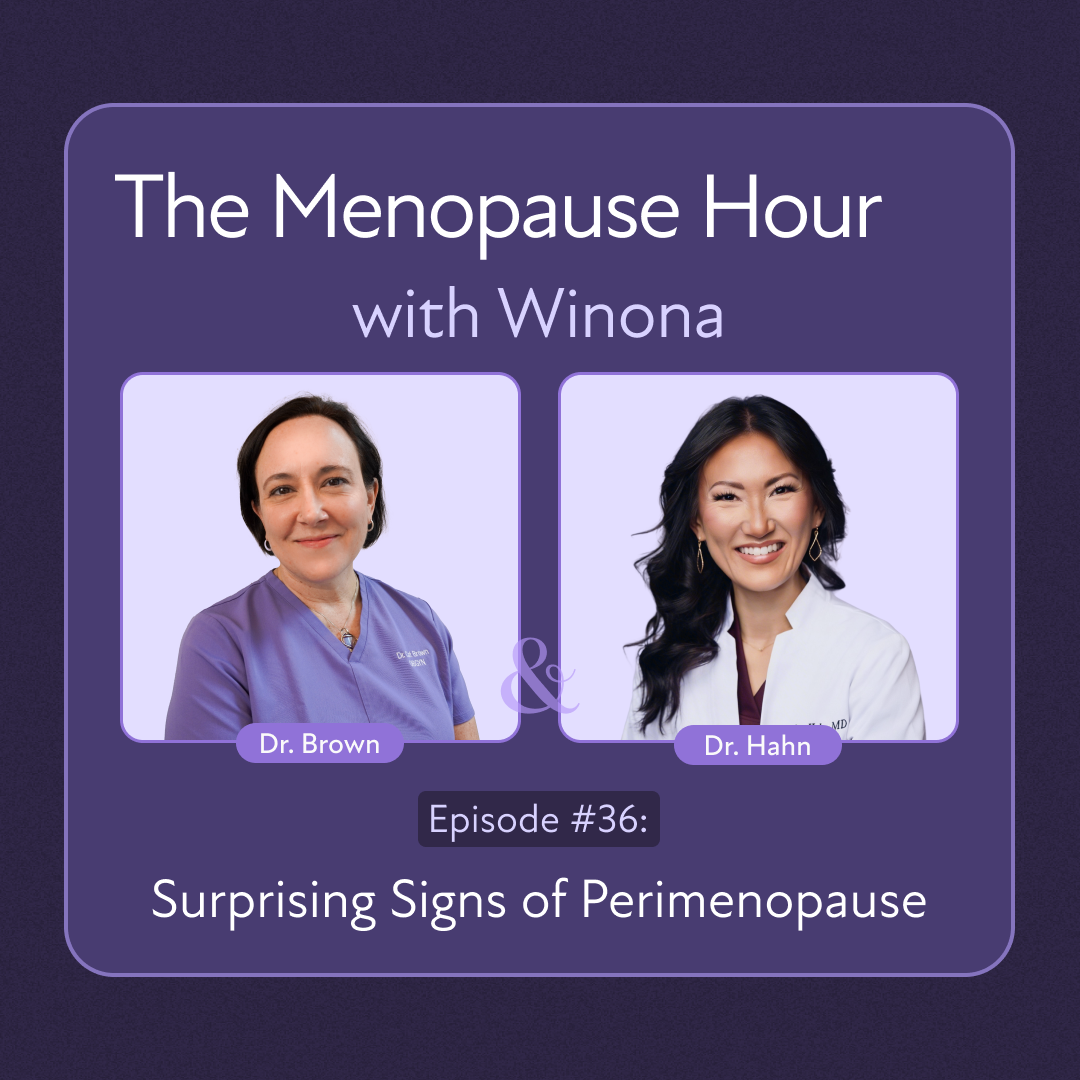
Dr. Brown and Dr. Hahn described lesser-known symptoms like itchy ears, eyes, and scalp, sudden sensitivity to smells, and frozen shoulder as effects of fluctuating estrogen on the body's tissues. They noted these subtle changes often build gradually, which is why a symptom diary helps women and their doctors spot patterns.
Heart palpitations are common in perimenopause, but new cardiac symptoms still warrant evaluation
Dr. Brown explained that fluctuating estrogen affects the heart's electrical activity and can cause palpitations, something she experienced herself. She emphasized that heart disease is the leading cause of death for women overall, a separate consideration from other health fears, and that chest pain, shortness of breath, or sweating alongside palpitations should always be checked out.
Periods can become more frequent in perimenopause, not just further apart
Dr. Hahn clarified that many patients expect their cycles to space out as they approach menopause, but for some women periods actually arrive closer together and with a different flow. She recommended tracking cycle length and bleeding patterns to catch these shifts early.
Bioidentical hormone therapy and birth control treat perimenopause differently
Dr. Hahn explained that birth control can offer more cycle control for women who still need contraception, while bioidentical hormone therapy supplements declining hormones without suppressing the ovaries as effectively. Dr. Brown added that women hoping for better cycle regulation shouldn't expect that from hormone therapy alone.
Ovarian function can decline earlier after a hysterectomy, even with the ovaries left in place
Dr. Hahn noted that newer data suggests ovarian blood supply and function can be affected during hysterectomy surgery, even when the ovaries themselves are preserved. Dr. Brown added that removing the fallopian tubes during these procedures, now common practice for cancer prevention, may also affect nearby ovarian tissue.