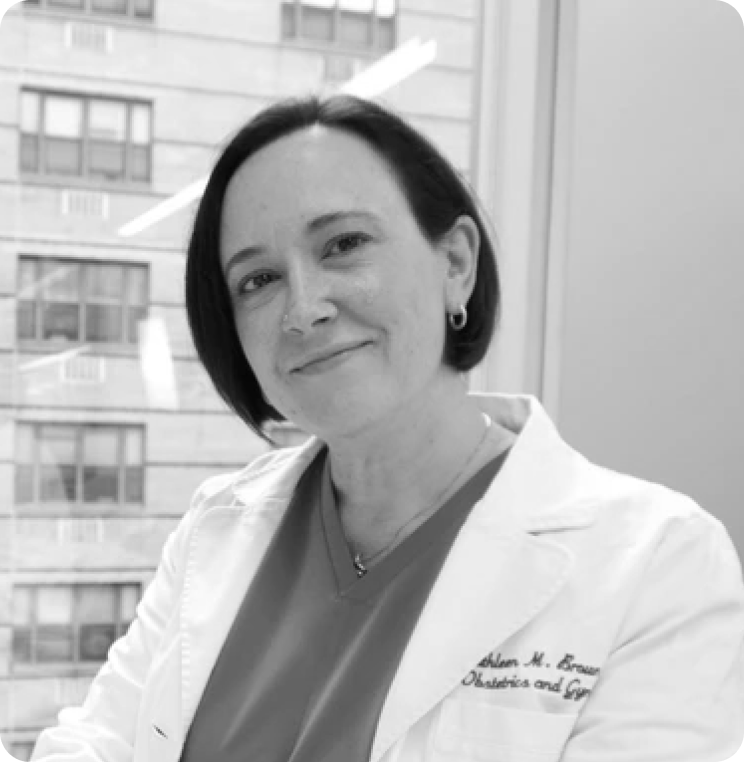
Key Takeaways
Menopause Care Should Be Individualized, Not One-Size-Fits-All
Dr. Brown emphasizes that treatment decisions should account for each patient's age, symptoms, health history, and personal preferences rather than following a single standard approach. She describes offering patients a range of options — including oral, transdermal, and other delivery methods — so they can choose what they're most likely to stick with consistently.
The FDA Panel Reopened the Conversation Around the Black Box Warning
The July 2025 FDA panel reviewed whether the black box warning currently included with vaginal estrogen prescriptions still reflects current research. Dr. Brown explains that this warning was designed for systemic estrogen products and doesn't accurately describe the safety profile of vaginal estrogen, which is only absorbed locally.
Fear of Breast Cancer Often Keeps Patients From Considering HRT
Dr. Brown notes that many patients avoid HRT out of a fear of breast cancer that isn't proportionate to their individual risk. It's worth being precise here: this isn't a claim that HRT is risk-free, or a comparison of which condition HRT is more likely to cause — some HRT regimens carry a possible breast cancer risk, and hormone therapy may also affect cardiovascular risk in certain circumstances. The point Dr. Brown makes is that patients deserve accurate, individualized information about their actual risk level, rather than broad, outdated fears standing in the way of a conversation with their doctor.
Lack of FDA-Approved Testosterone for Women Reflects a Broader Care Gap
Dr. Brown points to the absence of an FDA-approved testosterone product formulated specifically for women, which she says forces physicians to adapt male-dosed products without clear guidelines. She frames this as one example of how women's health needs — including libido, bone health, and muscle strength — have historically received less research investment.
Telehealth Access Can Close Long-Standing Gaps in Menopause Care
Dr. Brown describes Winona's asynchronous model, where patients can message their doctor at any time rather than waiting for a scheduled appointment. She points to this kind of access as especially valuable for patients managing symptoms that don't follow a convenient schedule, like waking up with symptoms in the middle of the night.