Body aches are common during menopause, often affecting the joints, jaw, feet, back, shoulders, or pelvis.
Declining estrogen may contribute to menopausal body aches due to its effects on pain signals, inflammation, tissue elasticity, and joint lubrication.
Menopause-related body aches may be managed with lifestyle strategies, including dietary changes, strength training, and heat and cold therapy.
Hormone replacement therapy (HRT) is not a direct treatment for musculoskeletal pain, but for some women, it may help reduce body aches specifically related to menopause by replenishing low levels of hormones involved in joint and muscle health.
Women experiencing severe or persistent body aches affecting their daily lives should consult a physician to rule out underlying conditions that may be contributing to symptoms.
Common Body Aches During Menopause
 Erin Marie McCluskey
 Dr. Saranne Perman, MD
Article Content
The Bottom Line:
Confused by unexplained body aches in the lower back, knees, pelvis, or even the teeth? Sore muscles, bones, or joints aren’t always a byproduct of the flu or a vigorous workout. Rather, body aches may have an underlying hormonal cause during menopause.
Research shows a link between menopause and body aches.(1) Pain sensations can affect different areas of the body and may begin during perimenopause, which starts around the mid-40s.
To understand why some women may struggle with body aches during the menopause transition, it’s important to know how hormonal shifts affect pain signals, inflammation, tissue elasticity, and joint lubrication.
This article provides a comprehensive breakdown of specific joints and muscle groups that may be susceptible to menopause-related body aches, along with symptom management strategies, such as dietary changes, strength training, and hormone therapy.
Understanding Menopause and Its Impact on the Body
Musculoskeletal pain is among the most bothersome menopausal symptoms reported by women. It refers to pain affecting the joints, bones, muscles, tendons, ligaments, and nerves.(2)
Research shows that perimenopausal and postmenopausal women are at an increased risk of musculoskeletal pain compared to premenopausal women, with the risk of severe symptoms being highest among postmenopausal women.(2) This is believed to be influenced in part by hormonal fluctuations.
As ovarian function declines, estrogen and progesterone levels drop. These shifts trigger numerous physiological responses affecting bone and tissue health:(3)
Connective tissues become less elastic.
Joint lubrication decreases.
The central nervous system (CNS) becomes more sensitive to pain signals.
Bone loss accelerates.
Muscle mass decreases.
Inflammation can increase.
As a result of these effects, fluctuations in both estrogen and progesterone levels have been associated with body aches and stiff joints.(1)
Common Types of Body Aches During Menopause
The following section highlights the areas of the body most commonly affected by menopausal body aches and what research suggests about the hormonal mechanisms at play.
Genitourinary Pain
Hormonal shifts during the menopause transition cause physiological changes in the reproductive system, causing some women to experience the following types of urogenital pain:
Pelvic Pain: As estrogen levels fall, many women experience symptoms of genitourinary syndrome of menopause (GSM), which can include pelvic pain or irritation of the lower urinary tract.(4)
Uterine Pain: Declining estrogen levels can increase the risk of pelvic organ prolapse (POP), causing sensations of increased pressure.(4)(5)
Ovarian Pain: Menopausal hormone fluctuations can increase the risk of ovarian cysts, which may trigger lower abdominal pain.(6)
It’s important that persistent or severe genitourinary pain be evaluated by a physician because it may be a sign of an alternate health condition unrelated to menopause.
Back, Shoulder, and Joint Pain
As estrogen levels drop, it causes structural changes in joint cartilage and alters the body’s inflammatory response, which can lead to the following types of muscle and joint pain during menopause:
Back Pain: Body aches affecting the lower back become more common during the perimenopause stage.(7)
Shoulder Pain (Frozen Shoulder): Menopausal hormone changes may increase the risk of frozen shoulder (adhesive capsulitis), which can cause pain, stiffness, and reduced shoulder mobility.(8)
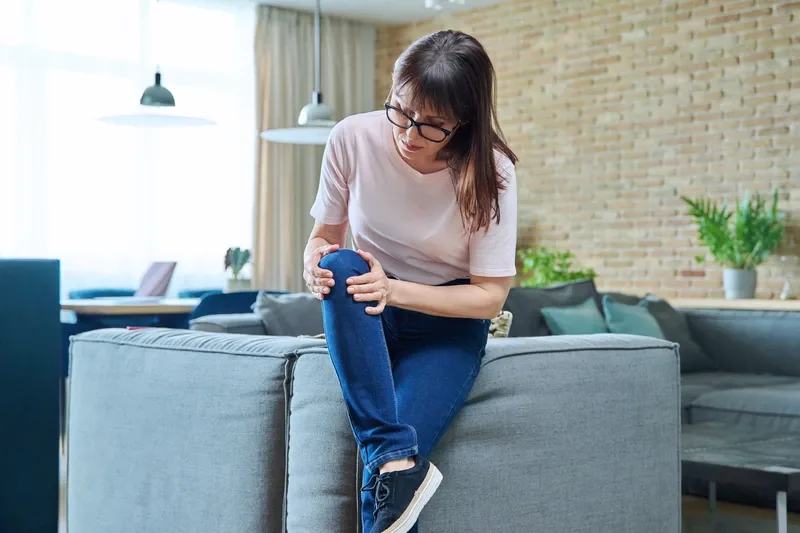
Knee Pain: Research suggests that declining estrogen levels may prompt knee osteoarthritis pain.(3)
Elbow Pain: Postmenopausal women may be more prone to rheumatoid arthritis (RA), which can cause pain and inflammation within the small, symmetrical joints of the body, such as the elbows.(9)(10)
Hand Pain: Research shows that cases of hand and finger osteoarthritis become more common around the time of menopause, with declining estrogen levels believed to play a role.(11)(12)
Foot and Heel Pain
Estrogen helps maintain bone strength and flexibility of the body’s connective tissues. As hormone levels change, these tissues lose elasticity, making women more prone to osteoporosis, or weak bones.(13) Together, this can cause physical discomfort in the heels and feet.
Foot Pain: In an observational study published in Climacteric, researchers found that menopausal women experienced increased foot pain and decreased quality of life compared to non-menopausal women.(14)
Heel Pain: Women in menopause may be more susceptible to a condition called plantar fasciitis. As the body loses estrogen after menopause, the plantar fascia may become stiffer, causing heel pain.(15)
Rest, daily stretching, nonsteroidal anti-inflammatory drugs (NSAIDs), and cold therapy are common treatments for plantar fasciitis. A doctor may recommend physical therapy, orthotics, or surgery in rare cases if symptoms do not respond to more conservative treatments.
Tooth and Jaw Pain
Some women may experience tooth or jaw aches during menopause due to hormonal changes. In fact, some studies estimate that roughly 43% of postmenopausal women are affected by oral pain.(16)
Tooth Pain: Hormonal fluctuations alter the flow of saliva. This can make some women more prone to cavities and gum disease, causing tooth pain during menopause.(16)
Jaw Pain: Postmenopausal women are at a greater risk for temporomandibular disorders (TMDs), which may lead to jaw tenderness or facial pain.(17)
It’s important for women experiencing tooth or jaw pain to consult with a dentist for proper diagnosis and treatment.
Managing Body Aches During Menopause
Women shouldn’t have to endure sore muscles and tender joints during menopause. Hormone-related body aches can be effectively managed with a combination of lifestyle strategies. The following natural remedies may help relieve different types of menopausal body aches.
Strength Training and Movement
Low-impact strength training can help maintain lean muscle mass, increase bone mineral density, and relieve joint pain associated with menopausal body aches. Examples include lifting weights, using resistance bands, or doing squats. It’s also recommended that women get 150 minutes of moderate-intensity movement each week. This can include aerobic activities like brisk walking, water aerobics, or bike riding.(18)(19)
Women should consult with a physician before beginning a new workout routine to reduce the risk of injury, especially if they have previously led a more sedentary lifestyle or are not accustomed to the intensity of a new exercise regimen.
Nutrition for Musculoskeletal Health
Vitamin D, vitamin K2, and protein are all essential for maintaining strong muscles and bones. Eating a healthy diet that includes these nutrients may help relieve musculoskeletal pain.(11)
Rich sources of vitamin D include fatty fish, egg yolks, fortified milks, and fortified breakfast cereals. Vitamin K2 can be found in fermented foods, like hard cheeses and sauerkraut. Lean meats, like chicken and turkey, are healthy sources of protein to prioritize during the menopause transition.
Stress Reduction
Maintaining good psychological health is also an important symptom management strategy for menopausal women experiencing emotional distress from body aches.
Stress can heighten physical pain sensations. Using relaxation strategies like mindfulness meditation can help reduce stress that may be exacerbating menopausal body aches. Seeking professional mental health support through counseling, cognitive behavioral therapy (CBT), or peer support groups can also help in managing musculoskeletal pain during this phase of life.(20)
Heat and Cold Therapy
Switching between a hot and a cold compress on the affected area can help relieve inflammation and discomfort in the muscles and joints.(20) Adding in some light stretching between applications may further reduce body aches. Warm towels or heating pads can be used for heat therapy, while ice packs or frozen vegetables wrapped in a towel can be used as a cold compress.
Over-the-Counter Pain Relief
Certain over-the-counter (OTC) nonsteroidal anti-inflammatory drugs (NSAIDs) can serve as a short-term treatment method for mild bone, joint, or muscle pain. Either oral or topical NSAID treatment may be recommended depending on the cause or type of musculoskeletal pain.(20) Women should speak with their doctor before taking any new medications.
Hormone Replacement Therapy (HRT)
Supplementing low levels of estrogen and progesterone with systemic hormone replacement therapy (HRT) may help reduce body aches specifically related to menopausal hormone fluctuations.(7) However, HRT is not a direct treatment for general musculoskeletal pain and is typically only appropriate if a woman is also experiencing other common menopausal symptoms, such as vasomotor symptoms, brain fog, or vaginal dryness.
When to Consult a Doctor for Body Aches During Menopause
While body aches are extremely common during menopause, they can also be related to other health problems, including but not limited to the following:
Injury
Arthritis
Dental issues
Gynecological conditions
Women experiencing severe or persistent body aches should speak with their doctor to determine the underlying cause, particularly if additional symptoms develop, such as swelling, weakness, or fever.
A physician can help determine if menopause may be contributing to musculoskeletal pain by assessing your symptoms holistically. If body aches are accompanied by exhausting hot flashes, disruptive night sweats, or unpredictable mood shifts, a personalized hormone therapy treatment plan may be recommended if appropriate.
Curious if your body aches may be related to menopause? Begin your consultation through our secure telehealth platform to be matched with a board-certified Winona physician who specializes in recognizing symptoms of menopause.
Frequently Asked Questions (FAQs) About Body Aches During Menopause
Yes, some women describe menopausal body aches as similar to having the flu. Hormonal changes can increase inflammation and central nervous system sensitivity, which may lead to flu-like body aches. The discomfort may affect multiple areas of the body at once or shift from one area to another.
Yes, hormonal changes during menopause can contribute to pain felt in multiple areas of the body. As estrogen declines, reduced joint lubrication and changes in connective tissue may lead to stiffness or discomfort in different areas, such as the back, shoulders, hips, hands, or feet.
Some women may notice improvement in menopausal body aches within several weeks of starting HRT, while it may take a few months for others to feel the full effects. The time it takes to experience treatment benefits varies by individual and the type of therapy used.
Engaging in resistance training, practicing stress-reduction techniques, and eating foods that support joint and muscle health may help reduce menopausal body aches and stiffness. Certain NSAIDs and heat and cold therapy may be used for short-term relief if recommended by a doctor.
Menopause-related body aches are influenced by hormonal changes and often occur alongside other symptoms like hot flashes or vaginal dryness. Body aches related to other medical conditions are not typically associated with vasomotor or vulvovaginal symptoms, both of which are signature signs of menopause. It’s crucial to consult a doctor to determine the underlying cause.
This article is for informational purposes only and does not constitute medical advice. The information contained herein is not a substitute for professional medical advice. Always talk to your doctor about the risks and benefits of any treatment.
References
Musculoskeletal Pain during the Menopausal Transition: A Systematic Review and Meta-Analysis
The mysteries of menopause and urogynecologic health: clinical and scientific gaps
A practical approach to managing post-menopausal women with ovarian cysts
The puzzling pathophysiology of frozen shoulders – a scoping review
Menopausal state and rheumatoid arthritis: a systematic review and meta-analysis
Hand osteoarthritis, menopause and menopausal hormone therapy
Changes in the Oral Cavity in Menopausal Women—A Narrative Review
Management of Musculoskeletal Pain: An Update with Emphasis on Chronic Musculoskeletal Pain