Key Takeaways
HRT eligibility after hysterectomy depends on whether the ovaries stayed
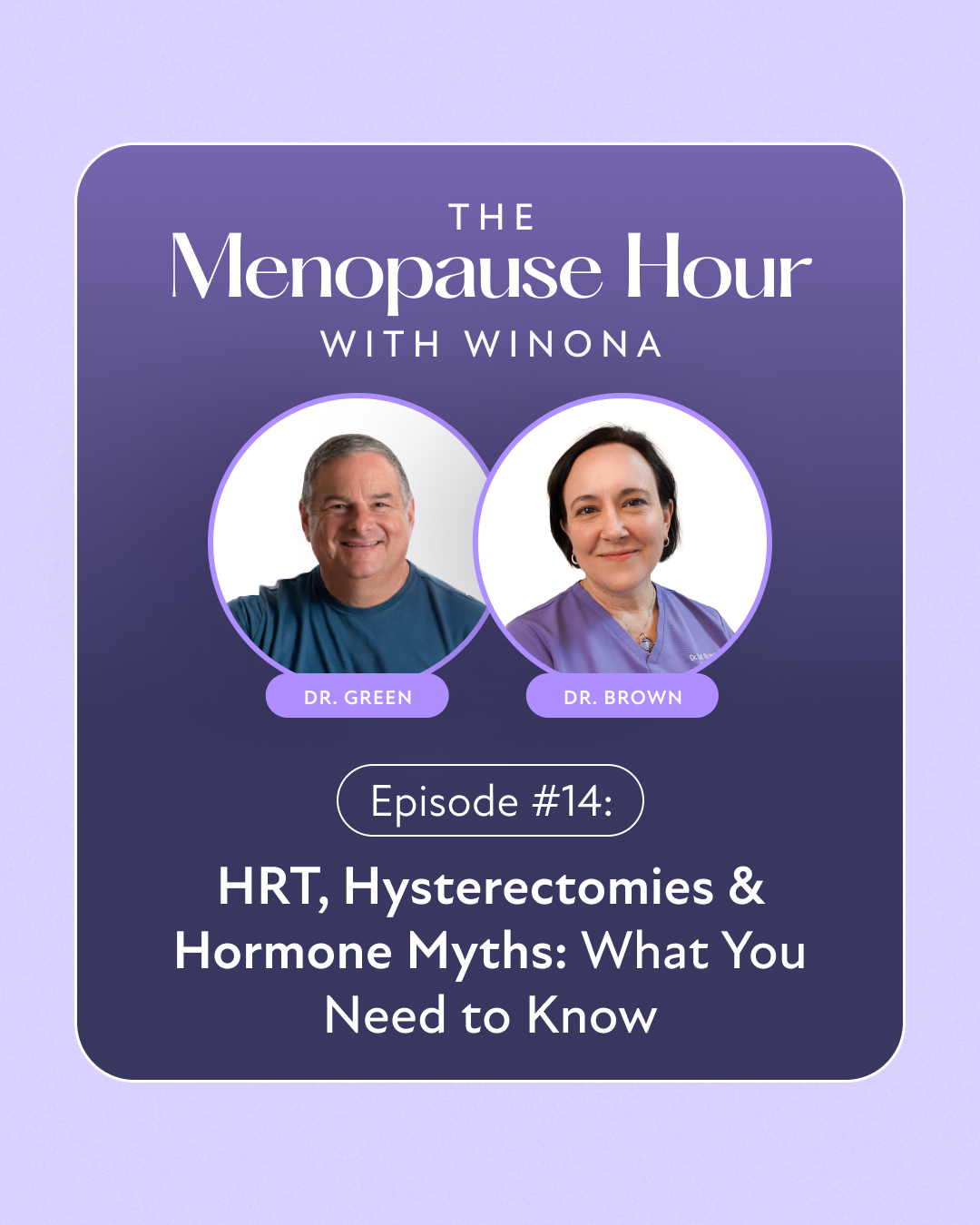
Dr. Green explained that removing the uterus alone doesn't trigger menopause — the ovaries keep producing hormones on their own. If the ovaries were also removed more than 10 years ago, though, the window to safely start HRT for the first time has likely closed.
Migraines with aura don't carry the same risk with HRT as with birth control
Dr. Cathleen Brown noted that the stroke risk tied to migraine with aura applies to high-dose synthetic birth control hormones, not bioidentical hormone therapy, which works differently in the body.
Weighing breast cancer risk means looking at the full health picture
Many women fear that HRT will cause breast cancer. Dr. Cathleen Brown noted that combined estrogen and progesterone carries a modest increase in risk, while estrogen alone does not — but she encouraged putting that fear in context alongside women's overall health. The point isn't that one risk outweighs the other, but that the decision benefits from weighing the full picture rather than fear of a single outcome.
Hormone testing doesn't guide treatment decisions
Dr. Green and Dr. Brown noted that major medical societies, including The Menopause Society and ACOG, don't recommend hormone testing before starting HRT, since levels fluctuate too frequently to be a reliable measure. Treatment is guided by symptoms instead.
Starting HRT after 60 carries a temporary, not permanent, risk
Dr. Green explained that starting hormone therapy for the first time after age 60 carries a modestly increased cardiovascular risk in the first two years, but that risk applies only to new starts — women already established on HRT before 60 don't carry the same increased risk.