Key Takeaways
The FDA removed the black box warning because the data no longer supported it
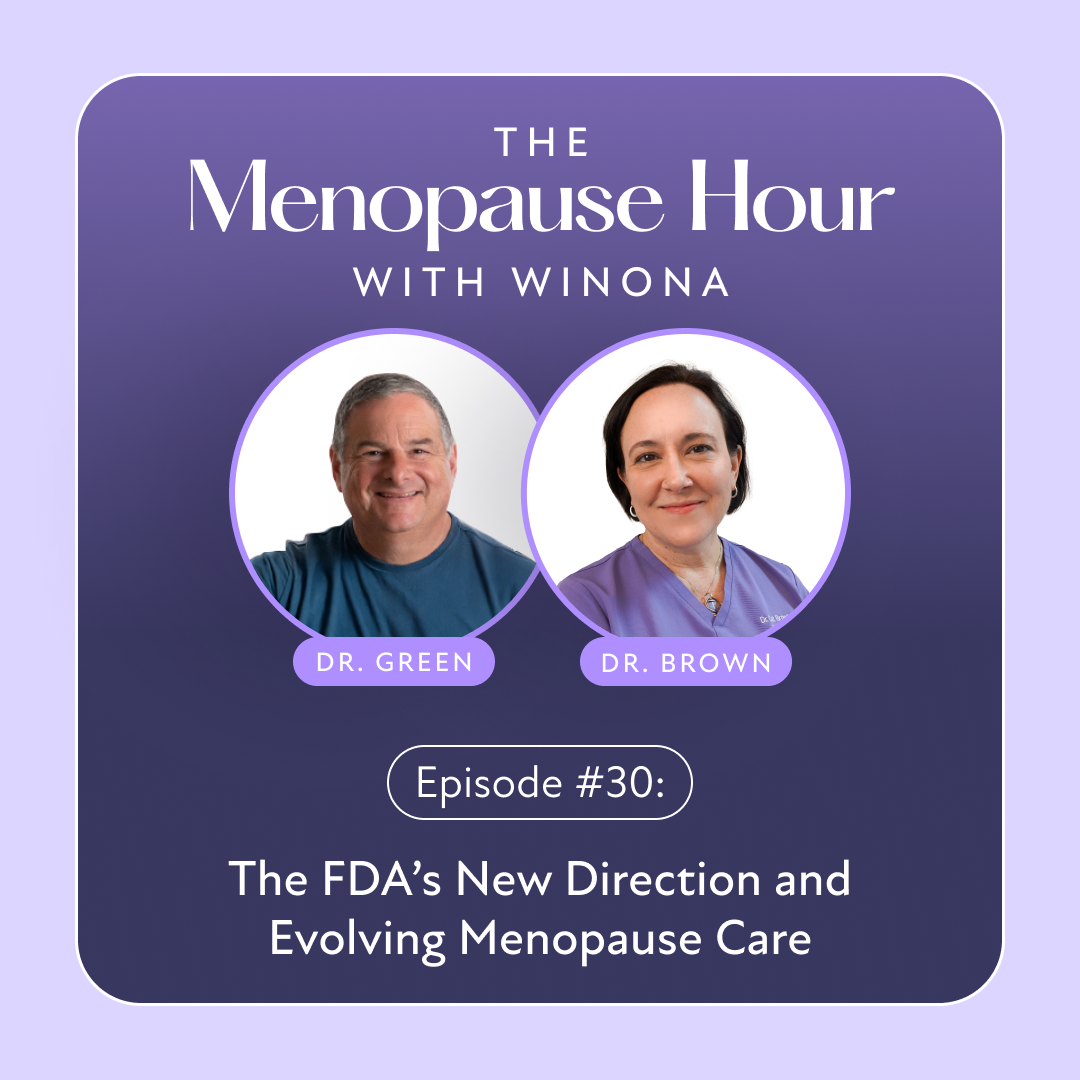
Dr. Brown explained that the black box warning had appeared on all estrogen products for decades, including vaginal estrogen, despite newer research showing hormone therapy is safe for most women. Dr. Green added that the change follows an FDA expert panel and years of data showing the original warning was based on outdated research.
Hormone lab testing still isn't a reliable way to guide treatment
Dr. Brown said lab values don't tell providers how to adjust a woman's dose or which medication will work best, and that neither the Menopause Society nor ACOG recommends routine hormone testing. Dr. Green added that a symptom diary gives far more useful information than a lab report.
Birth control pills carry more risk than HRT, not less
Dr. Green explained that birth control pills use a much higher effective dose of estrogen and progesterone than HRT, and carry a greater risk of blood clots and stroke. He noted that HRT is generally the better option for managing perimenopausal symptoms unless contraception is also needed.
Joint pain and stiffness can improve with hormone therapy
Dr. Brown clarified that declining estrogen affects tendons, ligaments, and joint capsules throughout the body, which can make joint pain and stiffness feel like accelerated aging. She noted that estrogen's anti-inflammatory effects mean many women see meaningful improvement in joint pain after starting HRT.
There's a safe window for starting hormone therapy later in life
Dr. Brown explained that starting hormone therapy is generally safest within 10 years of menopause and before age 60, based on the timing hypothesis from the Women's Health Initiative research. She noted that starting HRT well outside that window, such as at 80, carries more risk than benefit.