The Hormone Prescription Podcast
Podcast

Hormone Prosperity Podcast: Dr. Cathleen Brown on Hormone Poverty, Brain Health & Libido

Published: March, 2024

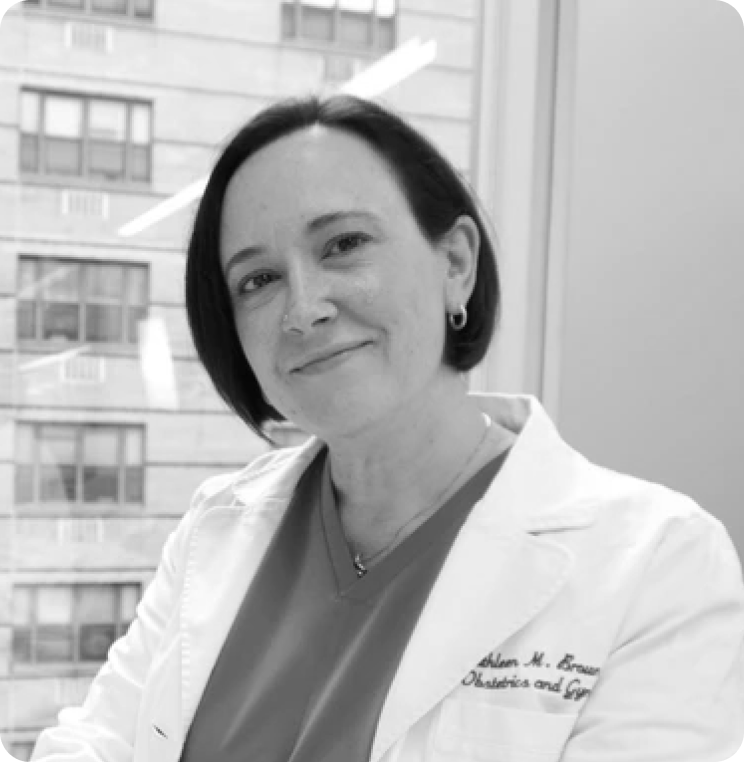
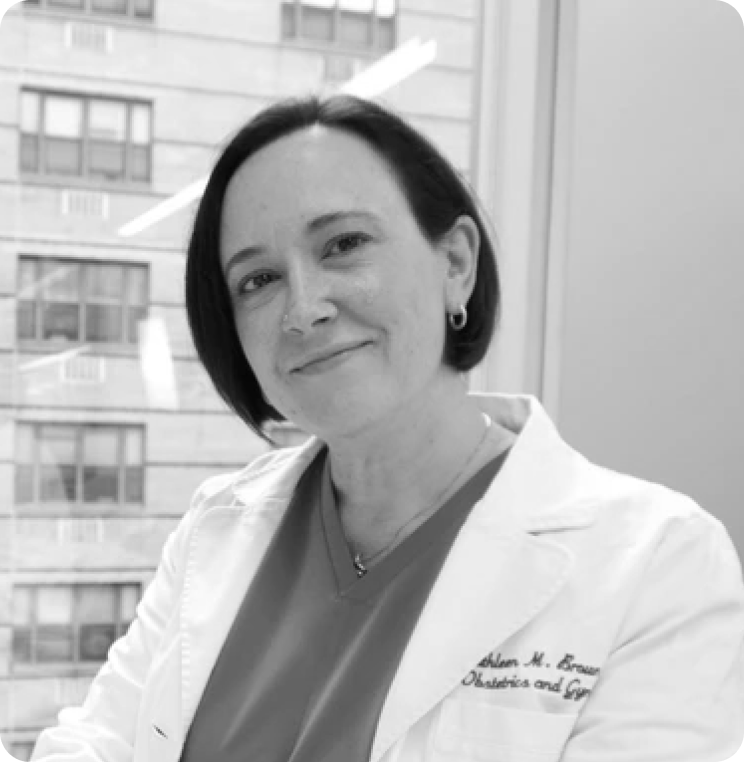
Dr. Cathleen Brown

Featured Physician

Cathleen M. Brown

Host

Dr. Kyrin Dunston

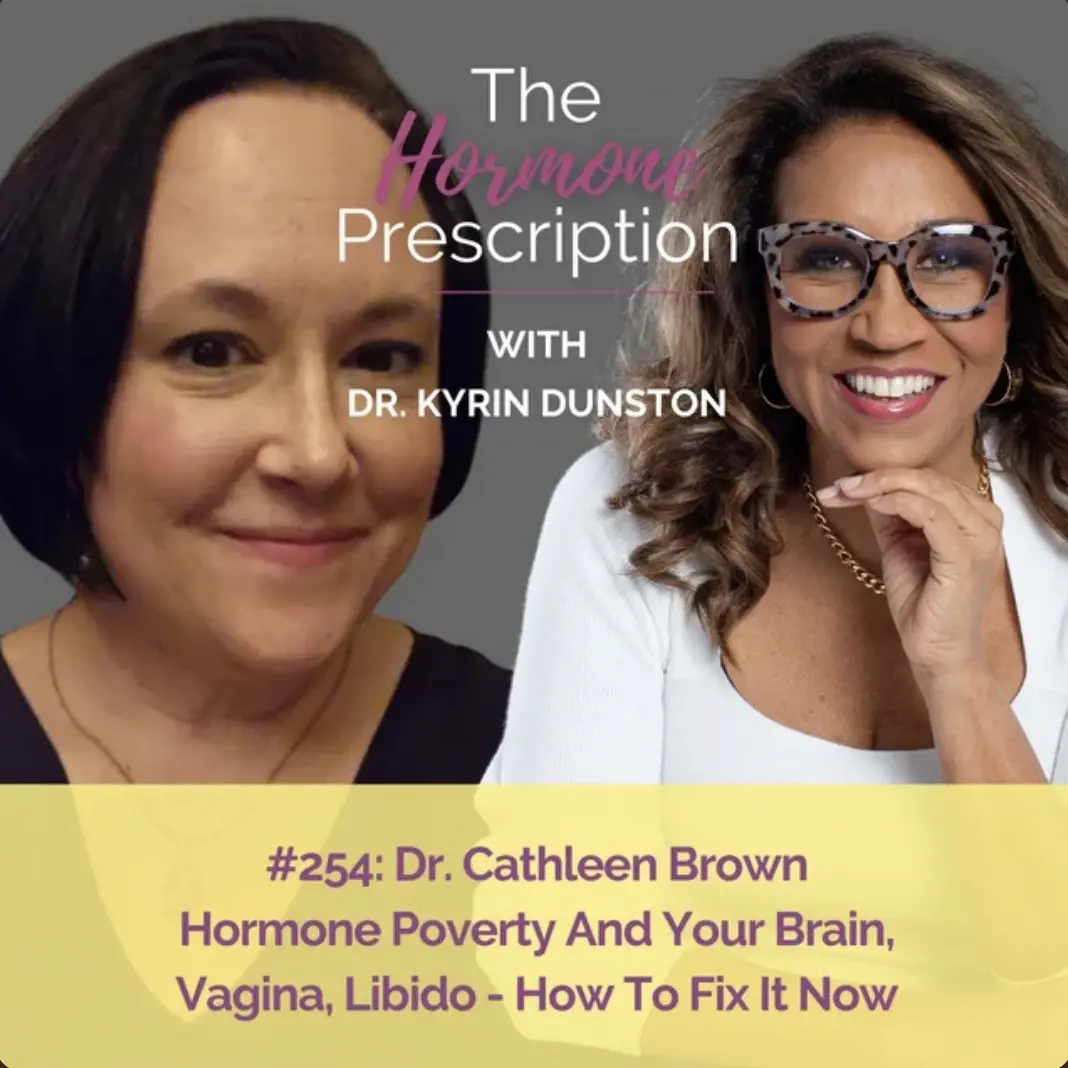
Dr. Cathleen Brown, a board-certified OB-GYN and physician with Winona, joined Dr. Kyrin Dunston on the Hormone Prosperity Podcast (also known as The Hormone Prescription Podcast) for a conversation between two OB-GYNs who each moved from traditional training into personalized hormone therapy treatment. The episode titled "Dr. Cathleen Brown | Hormone Poverty And Your Brain, Vagina, Libido - How To Fix It Now," digs into what the host calls "hormonal poverty" — the symptoms that develop as estrogen, progesterone, and testosterone decline during perimenopause and menopause.

The two doctors compare notes on bioidentical hormone therapy, why testosterone matters for women beyond libido, and why so many women are never taught that low sex drive after 40 is treatable rather than something to just accept. It's a candid, physician-to-physician look at where mainstream OB-GYN training falls short and what holistic hormone support can look like.


LISTEN TO THE EPISODE

Episode Details

  • Podcast: Hormone Prosperity Podcast with Dr. Kyrin Dunston (also known as The Hormone Prescription Podcast)

  • Episode: Not specified in source material (flagged below)

  • Episode Title: Dr. Cathleen Brown | Hormone Poverty And Your Brain, Vagina, Libido - How To Fix It Now

  • Host: Dr. Kyrin Dunston

  • Guest: Dr. Cathleen Brown

  • Published Date: March 12, 2024

  • Episode Duration: 40 minutes

  • Format: Audio Interview

  • Main Topics: Hormonal poverty and bioidentical HRT, estrogen's role in brain and cognitive health, the case for testosterone therapy for women, and low libido after 40

About Hormone Prosperity Podcast

The Hormone Prosperity Podcast with Dr. Kyrin Dunston, also known as The Hormone Prescription Podcast (the name under which this episode originally aired), is a weekly show for women over 40 navigating hormonal changes during perimenopause and menopause. Dr. Dunston is a board-certified OB-GYN who is fellowship-trained in anti-aging, metabolic, and functional medicine. She built the show around what she calls "Midlife Metabolic Mayhem" — the cluster of symptoms tied to declining hormones and the two-part prescription she uses to address it: hormone support and lifestyle changes.

Each episode blends Dr. Dunston's own teachings with interviews from physicians, researchers, and patients, covering topics like weight loss resistance, energy, mood, and sexual health after 40. Listeners searching for either podcast name will find the same show and back catalog.

Visit Hormone Prosperity Podcast.

About This Episode

This episode features two board-certified OB-GYNs, Dr. Kyrin Dunston and Winona's Dr. Cathleen Brown, who both started out in conventional obstetrics and gynecology before shifting their focus to bioidentical hormone therapy. They discuss how their medical training largely skipped over perimenopause and menopause, and how that gap shaped the standard advice many women still receive today.

From there, the conversation moves to the role hormones play in menopausal symptoms. Dr. Brown explains why she relies on a patient's symptom history over inconsistent lab testing, how estrogen supports brain and neurotransmitter function, and why progesterone isn't only for women with a uterus. She also notes that testosterone plays an important role in energy, bone health, and libido, even though it often gets overlooked in women's care.

The second half of the episode addresses sexual health, with Dr. Brown pushing back on the idea that low libido is just something to expect with age, and framing sexuality as something shaped by mindset and confidence as much as hormones.

Topics Covered

  • Why OB-GYN training has historically lacked coverage of perimenopause and menopause

  • Bioidentical hormones vs. conventional treatments like Premarin

  • Why Dr. Brown relies on patient symptom history over routine lab testing

  • Estrogen's role in brain function, neurotransmitters, and cognitive decline

  • When and why progesterone may be prescribed after hysterectomy

  • Testosterone's role in women's energy, bone health, and libido

  • Access barriers to testosterone therapy for women

  • The gender gap in sexual health research and care

  • Setting realistic expectations around low libido treatment

  • How surgery (hysterectomy, mastectomy) can affect sexual self-image

  • The health benefits of regular, pleasurable sex

  • Where to find Dr. Cathleen Brown online

Key Takeaways

Hormonal Symptoms Deserve a Full Evaluation, Not Guesswork

Dr. Brown explained that she evaluates a patient’s needs based on a detailed medical history and individual symptom patterns rather than one-off lab values. She clarified that this is because hormone blood tests can vary too much to interpret reliably on their own. She and Dr. Dunston agreed that women are often dismissed and told "there's no standard test" instead of having a thorough conversation about their symptoms.

Estrogen Influences More Than Just Hot Flashes

According to Dr. Brown, estrogen affects nearly every system in the body, including brain function. A decline in estrogen levels is linked to more noticeable cognitive changes in women who don't use hormone therapy. This is part of why Dr. Brown sees hormone support as relevant to long-term postmenopausal health, not just short-term symptom relief.

Progesterone Isn't Only About Uterine Protection

Dr. Brown and Dr. Dunston discussed how progesterone is traditionally framed as necessary only to protect the uterine lining. However, Dr. Brown noted that progesterone has receptors throughout the body, including the brain, and some women may benefit from it even after a hysterectomy. She treats the decision as a shared one based on the individual patient's symptoms and preferences.

Testosterone Matters for Women Beyond Libido

Dr. Brown emphasized that testosterone supports metabolism, energy, muscle mass, and bone strength in women, not just sex drive. However, access to testosterone for women is limited because it's a controlled substance. She explained that the therapeutic window for women is narrower than for men, requiring careful dosing to avoid side effects like acne or hair changes.

Low Libido Isn't Just a "Magic Pill" Fix

Dr. Brown pushed back on the idea that a single hormone or medication can restore desire on its own. She described the brain as the most important sex organ and highlighted mindset, self-confidence, and past medical experiences (like hysterectomy or mastectomy) as major contributing factors. She emphasized the importance of a treatment approach that addresses both the hormonal and psychological aspects of libido. 

Cathleen M. Brown

Dr. Cathleen M. Brown

Obstetrics & Gynecology

Dr. Cathleen Brown is a menopause specialist and physician with Winona. She brings a physician’s perspective to menopause, perimenopause, hormone changes, symptom care, and treatment options during midlife.

At Winona, Dr. Brown helps women better understand symptoms, health history, hormone changes, and when physician-reviewed care may be appropriate.

Meet Dr. Cathleen M. Brown

Watch or Listen to the Episode

Watch the full conversation with Dr. Cathleen M. Brown on
Hormone Prosperity Podcast with Dr. Kyrin Dunston.

Get Physician-Led Menopause Care

Winona helps women access menopause and perimenopause care from home. Start with a short health questionnaire, and a board-certified physician will review your symptoms, health history, and treatment options.

Start Your Visit
lead-banner-woman-holding-mug-mobile