Hormone pellets and creams are both forms of HRT that deliver estrogen, progesterone, or a combination, but they differ in administration, frequency, and dose flexibility.
Pellets are inserted under the skin and release hormones gradually over several months, while creams are applied topically and allow daily dose adjustments.
Clinicians consider factors such as symptom severity, convenience, risk profile, and ability to self-administer when recommending one option over another.
Individual responses vary, and some may prefer the long-term consistency of pellets, whereas others benefit from the customizable dosing of creams.
Decisions about HRT delivery method are best made collaboratively with a healthcare provider to ensure the approach aligns with personal needs and health goals.
Hormone Pellets vs. Creams
 Hailey Kean
 Dr. Saranne Perman, MD
Article Content
The Bottom Line:
The female hormones estrogen and progesterone help regulate the function of various organs, from the reproductive system to the brain. Many organs have hormone receptors that respond to fluctuating hormone levels, a major contributor to menopausal symptoms. For instance, low estrogen levels can affect the area of the brain that regulates temperature, resulting in hot flashes.(1)(2)(3)
Hormone replacement therapy (HRT) is a viable option for managing these symptoms as it can help balance hormonal levels during menopause. However, not all HRT options are the same.
Synthetic and bioidentical hormones are two common types used in HRT. Bioidentical hormones are considered to have fewer side effects than their synthetic counterparts because they have the same molecular structure as the body’s natural hormones.
HRT comes in different forms, like pills, creams, and pellets. This article closely examines two popular options — creams and pellets — and explores their pros, cons, uses, and costs.
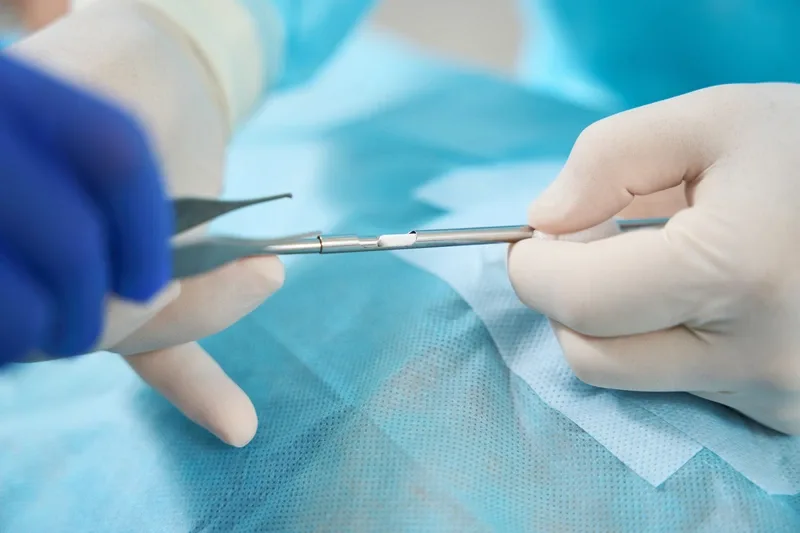
Comparing Menopause Treatment Options
Pellets and creams are available as estrogen-only, progesterone-only, and combined HRT options.
Estrogen Pellets vs. Estrogen Creams
Estrogen HRT is often the most commonly recommended option for managing menopausal symptoms, especially for women who have undergone a hysterectomy.(1)(2)
Estrogen Creams
Estrogen creams are applied daily to the skin, typically on the forearms, where the hormones are directly absorbed into the bloodstream.
In many cases, the HRT dose may need adjustment based on the frequency or intensity of symptoms. One of the main advantages of creams is their dose flexibility. This level of control makes them an appealing option for many women, as it allows for quick and hassle-free dose adjustments. Conversely, some may find creams less convenient than longer-lasting alternatives due to the need for daily application.
Estrogen Pellets
Estrogen pellets are inserted under the skin, usually in the lower abdomen, during a simple, but invasive procedure using a large needle. They release a steady dose of hormones over a period of three to six months.(4) This can benefit those who prefer to avoid daily applications or adjustments. However, the dose released can decrease with time, leading to inconsistent dosing.
One significant downside of estrogen pellets is their dose inflexibility. Once inserted, adjusting the dose isn't possible until the pellets naturally dissolve. A minor surgical procedure is required each time a new pellet is needed, which can introduce risks like infection or irritation at the insertion site.
Estrogen Pellets vs. Estrogen Body Cream
Estrogen Pellets | Estrogen Body Cream (Winona) |
|
|---|---|---|
Hormone Type | SYNTHETIC / BIOIDENTICAL | BIOIDENTICAL |
Invasive | YES | NO |
Monthly Cost | $100 - $500 | $73 - $89 |
Dosage Frequency | EVERY 3-6 MONTHS | DAILY |
Dosage Control | NO | YES |
Prescription | YES | YES |
Self-Administered | NO | YES |
Application | INSERTED UNDER SKIN | TOPICAL |
Hormone Pellets vs. Estrogen Facial Cream
Hormone Pellets | Estrogen Facial Cream (Winona) |
|
|---|---|---|
Hormone Type | SYNTHETIC / BIOIDENTICAL | BIOIDENTICAL |
Invasive | YES | NO |
Monthly Cost | $100 - $500 | $50 |
Dosage Frequency | EVERY 3-6 MONTHS | DAILY |
Dosage Control | NO | YES |
Prescription | YES | YES |
Self-Administered | NO | YES |
Application | INSERTED UNDER SKIN | TOPICAL |
Hormone Pellets vs. Vaginal Estrogen Cream
Hormone Pellets | Vaginal Estrogen Cream (Winona) |
|
|---|---|---|
Hormone Type | SYNTHETIC / BIOIDENTICAL | BIOIDENTICAL |
Invasive | YES | NO |
Monthly Cost | $100 - $500 | $73 - $89 |
Dosage Frequency | EVERY 3-6 MONTHS | Once daily for 2 weeks, then twice per week |
Dosage Control | NO | YES |
Prescription | YES | YES |
Self-Administered | NO | YES |
Application | INSERTED UNDER SKIN | VAGINAL, USING APPLICATOR |
Progesterone Pellets vs. Progesterone Cream
Progesterone is the second most common option for HRT and is often used in combination with estrogen to manage menopausal symptoms. It’s usually recommended for women with an intact uterus, as it counteracts the thickening effect of estrogen on the uterine lining.(1)(2)
Similar to estrogen, progesterone creams are absorbed through the skin, allowing for flexible dosing adjustments based on individual needs. Individuals can apply the cream to specific areas to ensure a steady release of hormones into the bloodstream.
Conversely, progesterone pellets are implanted beneath the skin and release the hormone over several months. However, the dose released may diminish over time, potentially leading to reduced effectiveness. Additionally, the dose cannot be adjusted once the pellets are implanted.
Hormone Pellets | Progesterone Cream (Winona) |
|
|---|---|---|
Hormone Type | SYNTHETIC / BIOIDENTICAL | BIOIDENTICAL |
Invasive | YES | NO |
Monthly Cost | $100 - $500 | $73 - $89 |
Dosage Frequency | EVERY 3-6 MONTHS | DAILY |
Dosage Control | NO | YES |
Prescription | YES | YES |
Self-Administered | NO | YES |
Application | INSERTED UNDER SKIN | TOPICAL |
Hormone Pellets vs. Estrogen Cream with Progesterone
Combined hormone pellets release estrogen and progesterone into the bloodstream over several months, providing steady support without the need for daily application. However, once inserted, adjusting the dosage can be challenging.(1)(2)
Estrogen and progesterone combination creams offer greater flexibility, allowing individuals to tailor their hormone intake according to their physician’s recommendations.
Hormone Pellets | Estrogen Cream With Progesterone (Winona) |
|
|---|---|---|
Hormone Type | SYNTHETIC / BIOIDENTICAL | BIOIDENTICAL |
Invasive | YES | NO |
Monthly Cost | $100 - $500 | $73 - $89 |
Dosage Frequency | EVERY 3-6 MONTHS | DAILY |
Dosage Control | NO | YES |
Prescription | YES | YES |
Self-Administered | NO | YES |
Application | INSERTED UNDER SKIN | TOPICAL |
Why Choose Hormone Creams over Pellets?
Both hormone pellets and hormone creams offer unique benefits for managing menopausal symptoms. While pellets provide a convenient long-term solution, many women appreciate the control and flexibility that creams offer. For those who want to adjust their dosage based on personal experiences, creams can be a great choice.
A diverse range of creams are available — tailored for the face, body, and vaginal use — to target symptoms precisely where relief is needed.
This personalized approach allows for a more adaptable treatment plan, making the journey through menopause easier and more aligned with individual needs. When considering any form of HRT, it’s recommended that women consult a physician who can assist in choosing the best treatment option.
Frequently Asked Questions (FAQs) About Hormone Pellets and Creams
Most hormone pellets used for menopause treatment are compounded and are not FDA-approved in the same way as standardized medications like patches or creams. Compounded treatments are made by specialized pharmacies and can be tailored to individual dosing needs. Even when made with FDA-approved ingredients, the final formulation itself is not reviewed or approved by the FDA.
If a hormone pellet dose is too high, side effects like breast tenderness, mood changes, acne, or fluid retention can occur. Pellets release hormones over several months, so the dose cannot be quickly adjusted once inserted. Symptoms usually improve over time as hormone levels gradually decline.
Yes, switching from hormone pellets to creams is possible. Treatment is usually timed so the pellet’s hormone levels decrease before starting a new regimen to avoid excess exposure. Creams can then be adjusted more easily based on symptom response.
Hormone pellets are not necessarily more effective than creams for improving libido. Some pellet regimens include testosterone, which may help support sexual desire in certain women. The best approach depends on hormone levels, symptoms, and individual response to treatment.
Hormone pellets are often more expensive because they involve an in-office procedure and may not be covered by insurance. Creams are typically filled at a pharmacy and may be eligible for coverage depending on the plan. Costs can vary based on the specific formulation and location.
Hormone pellets are not inherently more likely than creams to cause weight gain. However, because pellets use fixed dosing, it may be harder to adjust treatment if side effects like fluid retention occur. Weight changes are more often related to hormonal shifts than to the delivery method itself.
Light activity can usually be resumed soon after pellet insertion. However, strenuous exercise, swimming, or soaking should typically be avoided for a few days to allow the insertion site to heal. Following aftercare instructions helps reduce the risk of irritation or infection.
This article is for informational purposes only and does not constitute medical advice. The information contained herein is not a substitute for professional medical advice. Always talk to your doctor about the risks and benefits of any treatment.