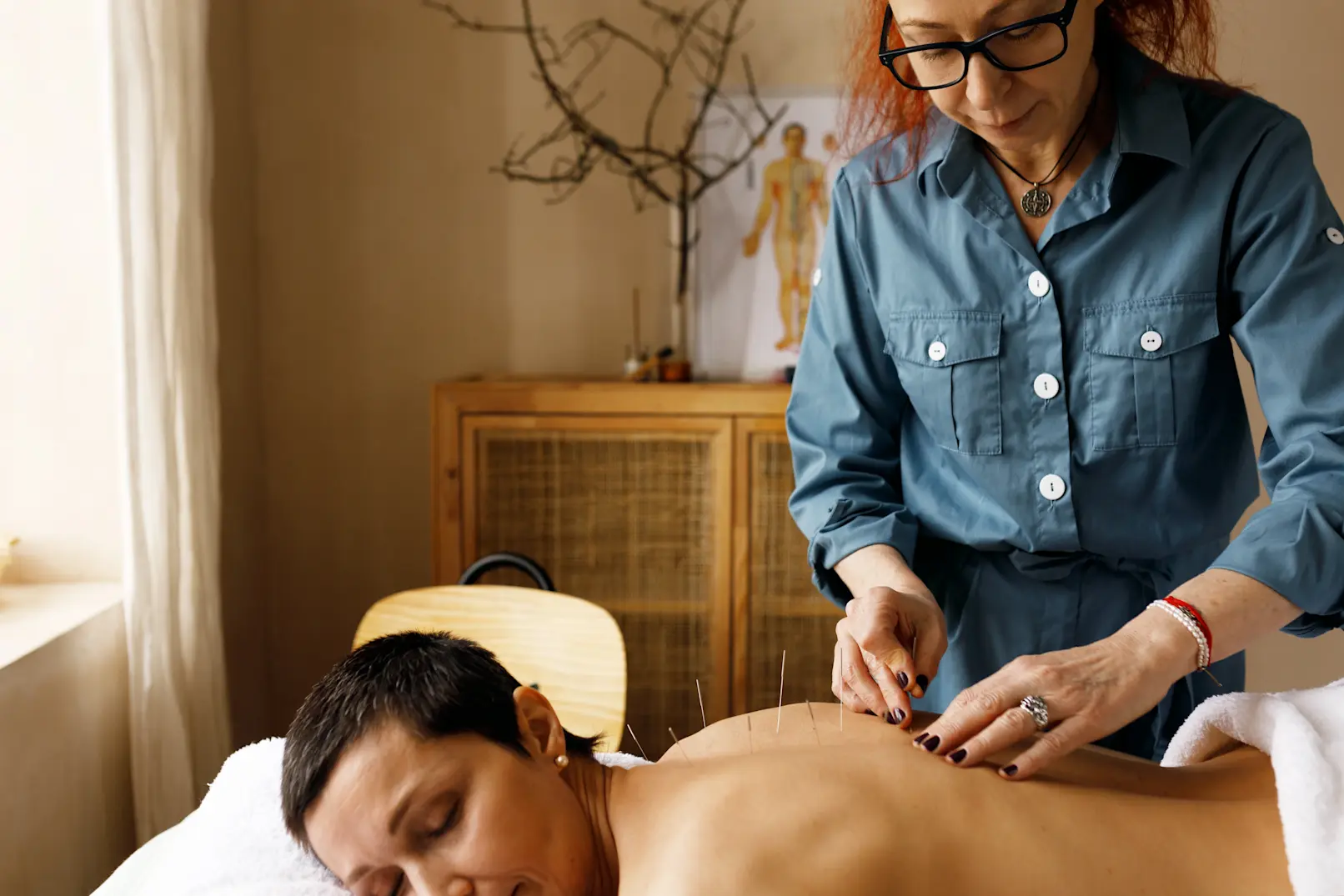
Acupuncture is gaining traction as a supportive therapy during menopause — and for good reason. In one major clinical trial, it reduced hot flashes and night sweats by almost 40%, with effects lasting up to six months.(1)
Increasingly integrated with hormone replacement therapy (HRT), acupuncture is being used to help ease a range of menopause symptoms, from sleep disturbances to mood changes. This article explores how acupuncture works, what the science says, and whether it could be a worthwhile addition to menopause care.
What is acupuncture? Unveiling an Ancient Practice
Acupuncture is a key part of Traditional Chinese Medicine (TCM). It involves placing very thin needles into specific areas of the body called acupuncture points or acupoints. These points lie along energy pathways known as meridians.(2)
According to TCM, the body has a natural flow of energy called Qi (pronounced “chee”). When Qi is blocked or becomes imbalanced, it may lead to symptoms or illness. Acupuncture aims to restore the flow of Qi by stimulating certain points, which may help the body heal itself.(2)
Western medicine offers other theories. Research shows that acupuncture can affect the nervous system. It may regulate neurotransmitters, have a calming effect, and reduce inflammation. This might explain why it can help with certain menopause symptoms. In fact, organizations like the World Health Organization (WHO) have recognized acupuncture's effectiveness for numerous conditions..(2)(3)
How Acupuncture May Help During Menopause
The menopause transition is a time of major hormonal change. Levels of estrogen and progesterone drop, leading to symptoms like hot flashes, night sweats, sleep issues, and mood changes. For some, these symptoms can be severe and long-lasting.
Acupuncture is often used as a non-pharmacological treatment for menopause symptoms. Some individuals use it to support HRT, while others try it as part of alternative therapies if HRT is not an option for them
While several studies suggest that acupuncture may help reduce menopausal symptoms, the evidence is mixed. In some trials, benefits were seen even in participants who received "sham" acupuncture, suggesting that the placebo effect may play a role. Still, many individuals find acupuncture to be a worthwhile option. With evidence of potential benefits and minimal risk, it remains a safe and valuable tool for those seeking additional support during menopause.(1)(2)
The Western Scientific Perspective
From a Western medical standpoint, acupuncture’s effects are increasingly being studied and better understood. While Traditional Chinese Medicine explains acupuncture through the flow of Qi, scientific research highlights several biological mechanisms that may explain its benefits:
Reduction in Inflammation
Some studies have shown that acupuncture may reduce proinflammatory markers in the body. This effect could contribute to improved general comfort by supporting hormonal and immune balance.(4)(5)
Healing Response
By triggering various biological signals, acupuncture may support the body’s self-regulating processes, enhancing its ability to manage stress, repair tissues, and balance hormonal responses over time.(1)(2)(4)(5)
Neurotransmitter and Nervous System Effects
Acupuncture may stimulate the body to release endorphins, which are natural pain-relieving and mood-enhancing chemicals. Research also suggests that acupuncture may influence levels of key brain chemicals, including serotonin, noradrenaline, dopamine, and GABA. These neurotransmitters play important roles in regulating mood, temperature control, and sleep — areas commonly affected during menopause.(1)(4)(6)
Acupuncture also appears to have a calming effect on the parasympathetic nervous system, which helps regulate functions such as heart rate, stress response, and body temperature. This may explain the reduced vasomotor symptoms (e.g., hot flashes, night sweats) and improved sleep reported by many patients.(1)(2)(4)(5)(7)
What the Research Says
Scientific studies on acupuncture and menopause are still ongoing, but some results are promising. Here's what current research shows:
A review by the National Institutes of Health (NIH) found that acupuncture may help reduce vasomotor symptoms like hot flashes and night sweats.(8)
A European study published in BMJ Open reported that acupuncture for hot flashes led to fewer and less intense episodes.(7)
Some women also report improved sleep and less anxiety after sessions.(9)
Researchers at Harvard Medical School have discovered which nerves and pathways are responsible for acupuncture’s anti-inflammatory effects.(10)
While larger, well-designed studies are still needed to confirm long-term effects, current evidence suggests that these physiological responses may support acupuncture’s role in managing menopause-related symptoms.

Menopause Symptoms Acupuncture May Help With
Although individual results vary, acupuncture may help with the following menopausal symptoms:(1)(2)(6)
Women may also combine acupuncture with other complementary approaches like massage, reflexology, or natural remedies for menopause relief.
Hot Flashes & Night Sweats
Acupuncture may influence thermoregulation by affecting the hypothalamus, which plays a key role in body temperature control. Several acupoints near the joints of the arms and legs are commonly targeted to address vasomotor symptoms and support hormonal balance and circulation.(1)(6)
Early research and clinical observations suggest that regular sessions may reduce the frequency and severity of hot flashes and night sweats, particularly when treatments are tailored to individual symptom patterns.
Addressing Other Menopausal Symptoms
Some evidence suggests that acupuncture may assist with weight management by supporting metabolic function and reducing stress-related eating behaviors. Although not a weight loss treatment, it may help rebalance systems that affect appetite, digestion, and energy use.(6)(11)
Additionally, individualized treatment plans may help alleviate symptoms like joint pain, insomnia, and fatigue by targeting inflammation, improving circulation, and enhancing overall well-being.(6)(9)
Benefits of Acupuncture During Menopause
Natural and holistic approach
Fewer side effects compared to some medications
Can address multiple symptoms simultaneously
Promotes overall well-being and stress reduction
Safe to use as both a complementary and standalone therapy
What to Expect from Menopause Acupuncture Treatment
A Step-by-Step Overview:
Initial Consultation
A licensed acupuncturist begins with a thorough health review. This includes medical history, menstrual and reproductive background, current medications, lifestyle habits, and emotional well-being. The goal is to identify underlying imbalances that may be contributing to menopause symptoms.(2)
Personalized Treatment Plan
Based on the consultation, the practitioner creates a customized treatment approach tailored to the individual's needs and symptoms.(2)
Needle Placement
Very thin, sterile needles are inserted into specific acupuncture points associated with hormonal balance, temperature regulation, sleep, and mood support.
Needle Sensation & Depth
Needles are inserted just a few millimeters deep, depending on the area and therapeutic need. Most people feel little to no sensation — typically a light initial pinch, tingling, or dull ache.
Needle Retention Time
Once inserted, the needles remain in place for about 20 minutes to allow the body to respond to the treatment.
Relaxation Response
Many individuals feel calm, relaxed, or even drowsy during or after the session.
Optional Auricular Acupuncture
In some cases, the practitioner may also use auricular acupuncture — placing needles on the ear — to enhance treatment effects, particularly for sleep disturbances or hot flashes.(3)(12)
How many sessions are needed?
The number of acupuncture sessions needed can vary. Some individuals feel better after just a few visits. Others may need weekly sessions for a few months. A typical treatment plan often includes 6 to 12 sessions.
Those wondering how many acupuncture sessions for menopause symptoms are needed should talk with an experienced provider who specializes in menopause and acupuncture.
Important Considerations & Finding a Qualified Acupuncturist
Acupuncture is considered safe when performed by a licensed, trained provider. The risks of acupuncture are rare but worth knowing.(2)(12)
Risks and Side Effects
Mild bruising, soreness, or light bleeding at the needle site
Occasional fatigue or dizziness after treatment
Risk of infection if proper sterilization procedures aren’t followed
Rare but serious complications like nerve injury, collapsed lung, or accidental puncture of internal organs, depending on where the needles are placed
Finding an Acupuncturist for Menopause
Women often report better results when working with providers familiar with hormone-related concerns. To stay safe and get the most from treatment, it’s important to find a skilled practitioner. Here are some key steps:
Choose a licensed provider. Look for someone certified by a professional body, such as the National Certification Commission for Acupuncture and Oriental Medicine (NCCAOM).
Ask about menopause experience. Not all acupuncturists specialize in hormonal acupuncture points or menopause concerns.
Always mention any current conditions, medications, or therapies.
Know what to ask. During a consultation, ask the following:
Do they use sterilized, single-use needles?
Can they give a clear explanation of the treatment plan?
What kind of results are expected, and how long might treatment take?
Understand the cost. Acupuncture cost varies. Some health plans may cover it, but many don’t. Ask about package rates or payment plans.
Searching online for acupuncture for menopause can be a good starting point, but it’s important to always follow up with questions and verify credentials to ensure quality care. If taking blood thinners or managing chronic conditions, it’s best to check with a physician first.
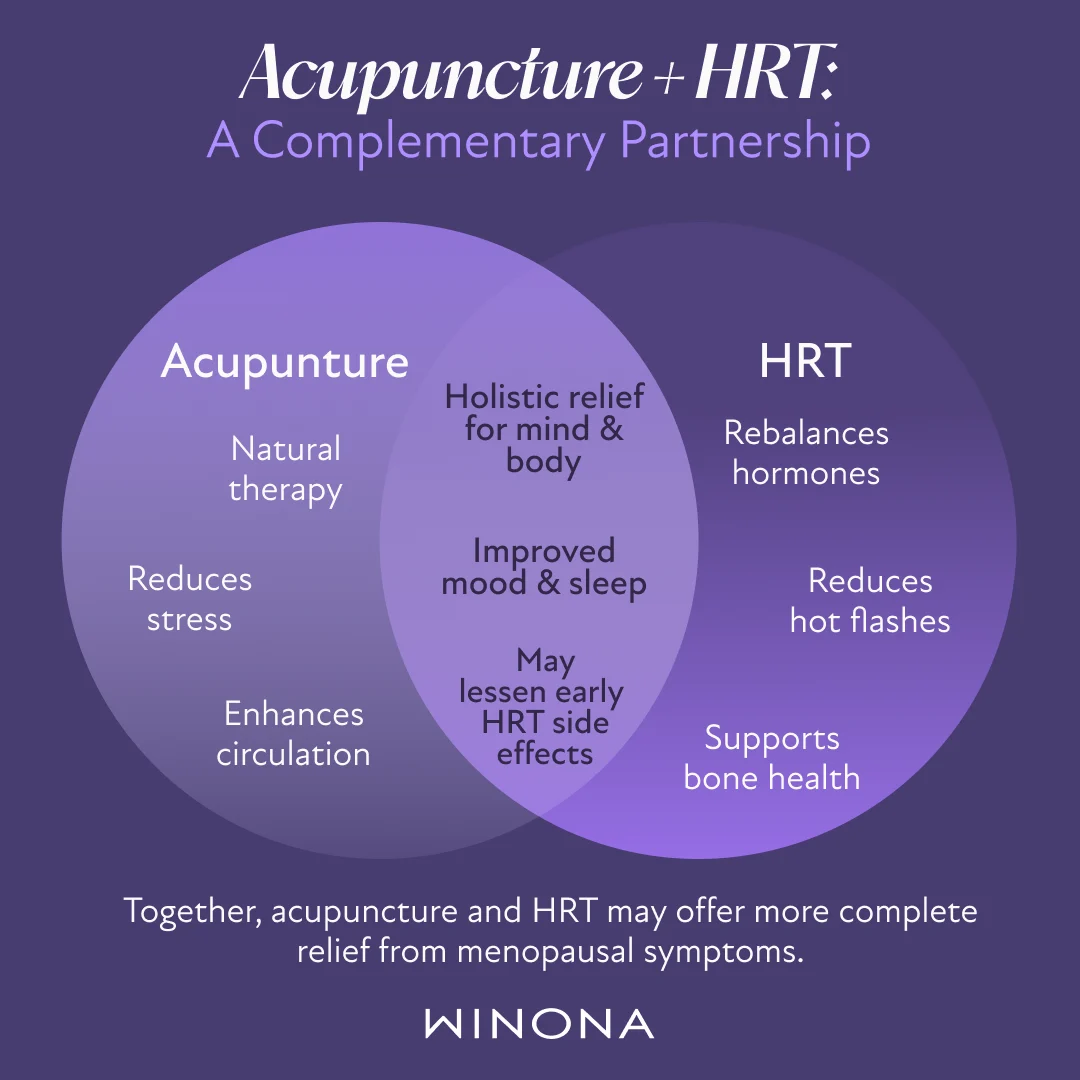
Pairing Acupuncture with HRT
HRT is a widely used treatment for managing moderate to severe menopause symptoms. It works by replacing the estrogen and progesterone that naturally decline during perimenopause and menopause.
For some women, acupuncture and menopause care go hand-in-hand. Using acupuncture for menopause alongside HRT may offer added benefits, including the following:(1)(7)
Easing digestive upset, nausea, headaches, or tension that some individuals experience early on with hormone therapy
Addressing symptoms HRT might not fully relieve like chronic stress, mild anxiety, or disrupted sleep
Anyone considering a combined approach should speak with both a healthcare provider and a licensed acupuncturist. Coordinating care can help ensure safety and improve results.
Menopause and Acupuncture: A Supporting Role
Acupuncture offers a complementary approach for managing a range of menopause symptoms, including hot flashes, night sweats, sleep disturbances, anxiety, and mild hormonal shifts. While research shows encouraging results, it’s not yet considered a fully validated treatment within Western medicine. Even so, acupuncture remains a low-risk option, and many individuals report noticeable symptom relief and a greater sense of control.
Given its safety profile and potential benefits, acupuncture may be a worthwhile addition to a broader, personalized care plan. Before beginning treatment, it’s important to consult with both a licensed acupuncturist and a qualified healthcare provider to ensure a coordinated and informed approach.
Menopause marks a time of change — but also one of wisdom, strength, and deeper self-understanding. Choosing care that supports both physical and emotional well-being can make this phase not only manageable, but meaningful. For those seeking holistic support, acupuncture may offer a valuable path forward.