Sleep during midlife is shaped by everyday rhythms. Bedtime consistency, light exposure, stress, bedroom environment, and overall health patterns all influence how restorative sleep feels.
During menopause, declining estrogen and progesterone levels affect temperature regulation, circadian timing, and the brain’s calming pathways, making previously manageable sleep habits less effective.
Night sweats, lighter sleep, early awakenings, and racing thoughts often reflect shifts in vasomotor stability, melatonin signaling, and cortisol patterns rather than a loss of sleep ability.
Experiences vary widely: Some women notice mild, temporary disruptions, while others encounter more persistent or layered sleep challenges influenced by mood, breathing patterns, or neurologic sensitivity.
From a clinical standpoint, sleep concerns are viewed within the broader lifestyle and hormonal context — including daily routines, symptom patterns, and overall health — to determine whether behavioral adjustments or structured therapies like hormone therapy may be appropriate.
Menopause Sleep Problems: Causes and Relief Strategies
 Hailey Kean
 Dr. Cathleen M. Brown, DO
Article Content
The Bottom Line:
The menopause transition can turn sleep into a real challenge. A woman who has never struggled with rest may suddenly begin waking at 3 a.m., mind alert and unable to fall back asleep. Sleep disturbances often begin gradually and then become more frequent as hormonal patterns shift during the menopause transition.
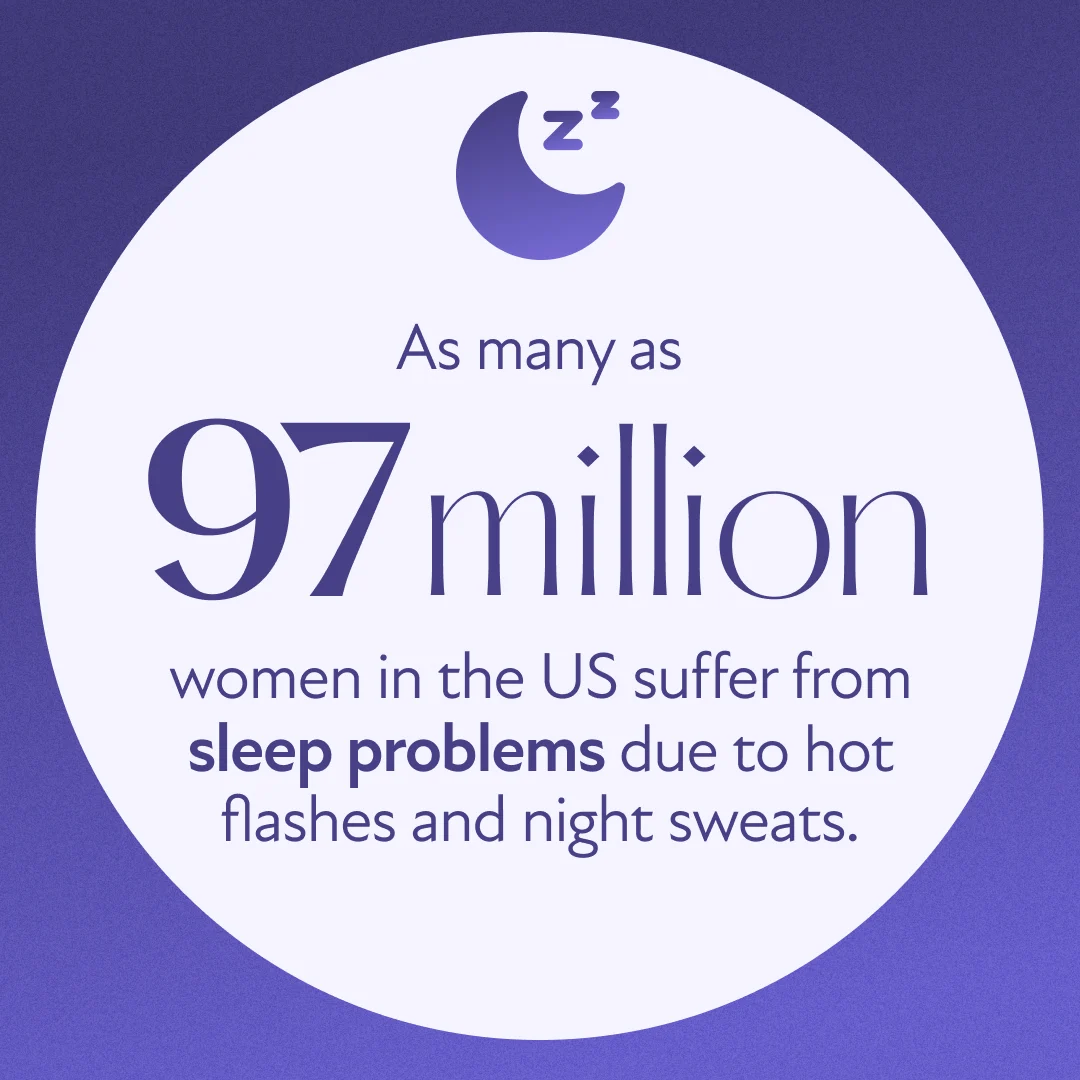
Research shows that sleep issues affect 16%–42% of premenopausal women, increase to 39%–47% in perimenopause, and remain common for 35%–60% of women in postmenopause. These changes are not imagined. They reflect powerful hormonal shifts that affect temperature control, stress hormones, mood regulation, and the brain’s ability to stay asleep.(1)
Menopause-related sleep problems show up in many ways: waking drenched in sweat, lying awake in the middle of the night with the body tense, or feeling so exhausted during the day that it becomes hard to function. These symptoms can feel isolating, but they are well documented and treatable.
Menopause affects sleep through several pathways in the body and brain. Understanding why these sleep changes happen can reduce worry and help guide more effective solutions.
Vasomotor Symptoms: Hot Flashes and Night Sweats
Hot flashes are one of the most common reasons women wake up during the menopause transition. They can strike suddenly, causing a rush of heat, sweating, and a jolt of alertness that disrupts normal sleep cycles.(1)(2)(3)
How Vasomotor Symptoms Affect Sleep:
A drop in E2 (estrogen) affects the hypothalamus — the part of the brain that regulates body temperature.
With less estrogen, the brain becomes more reactive to small temperature changes, making the body feel “too hot” more easily.
This creates a narrower thermal “comfort zone,” so the body starts cooling itself — sweating and flushing — even when core temperature is not very high.
Night sweats often cause awakenings, soaked sheets, and difficulty falling back asleep.
Studies show that women who experience frequent hot flashes are 50% more likely to report insomnia. The link between hot flashes and sleep problems is strong and well documented in sleep research.(2)
Hormonal Shifts: Progesterone, Melatonin, and Cortisol
Hormonal changes during menopause affect several systems involved in sleep regulation.
Progesterone
Progesterone has a natural calming effect on the brain and supports deeper, non-REM sleep. As levels fall in perimenopause, many women notice lighter sleep or difficulty falling asleep.(1)
Melatonin
Melatonin naturally declines with age, but estrogen and progesterone support its production. When all three decline together, the brain’s internal clock becomes less steady. This makes it easier to fall asleep late, wake early, or experience broken sleep.(1)
Cortisol
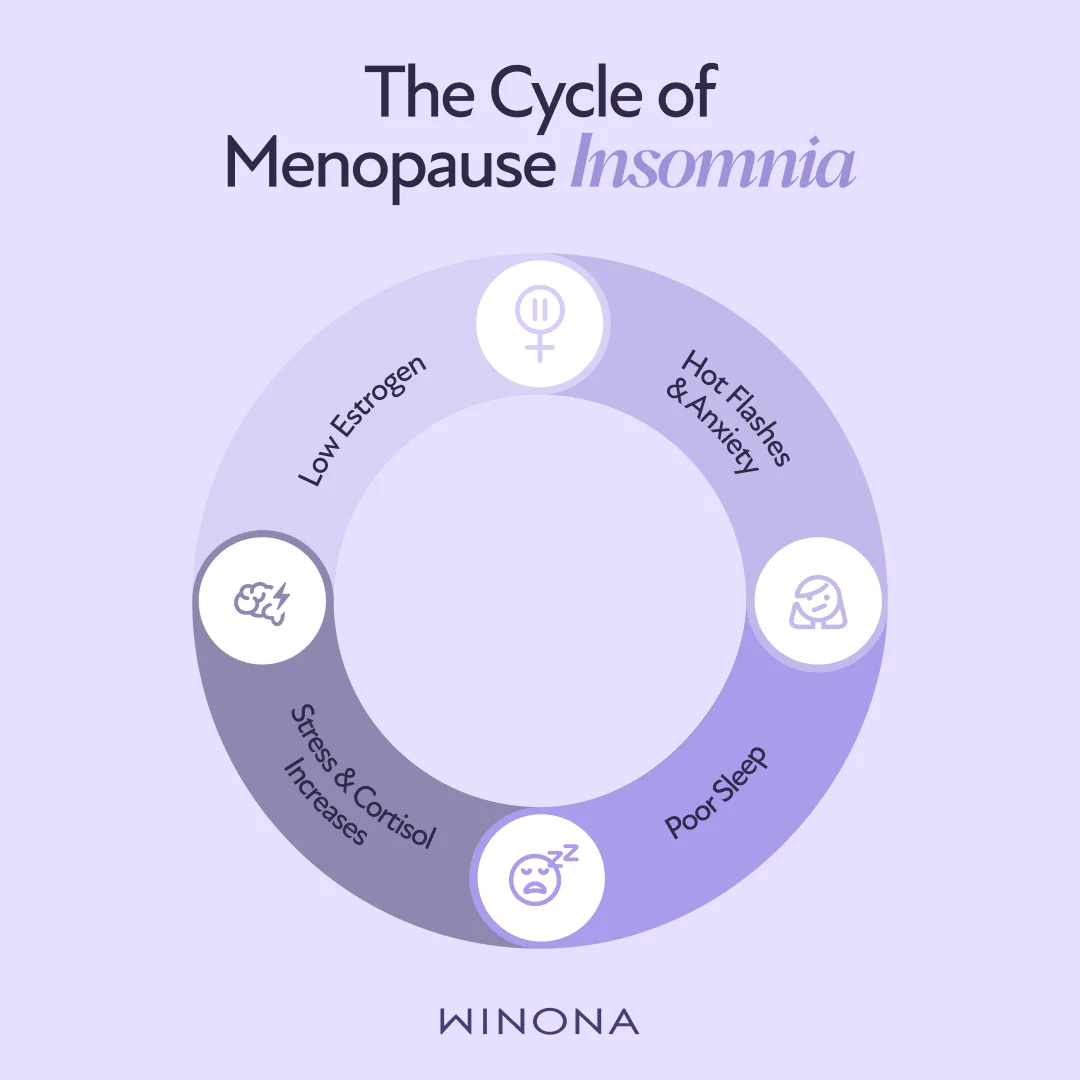
Cortisol follows a 24-hour rhythm. Menopause can disrupt this pattern, leading to late-night alertness or early-morning spikes that cause sudden awakenings. Many women describe this as, “my mind starts racing the moment I wake up.”(1)
These combined hormonal and physiological changes form the foundation for the sleep disturbances many women experience during midlife. Altogether, they create a perfect storm for insomnia.
Other Sleep Disruptors: Anxiety, RLS, and Sleep Apnea
Sleep problems in menopause often involve more than one cause. Research summarized by both The Sleep Foundation and The Journal of Clinical Sleep Medicine highlights that midlife hormonal changes may increase the likelihood of these three sleep conditions.(4)(5)
Anxiety and Hyperarousal
Menopause can affect neurotransmitters linked to mood and stress. This may increase nighttime alertness or create a cycle where poor sleep fuels anxiety, and anxiety worsens sleep.(1)(5)
Women often describe their experiences in ways like the following:
“My mind won’t turn off at night.”
“I wake up alert at 3 a.m. for no reason.”
Life stressors — caregiving, career demands, relationship changes — can intensify these issues.
Restless Legs Syndrome (RLS)
RLS is more common in women and can worsen during menopause. Research shows that nearly seven in 10 postmenopausal women with RLS report worsening symptoms. The urge to move the legs can delay sleep onset or cause frequent nighttime awakenings.(3)(4)
Obstructive Sleep Apnea (OSA)
OSA rates rise sharply after menopause. Contributing factors include the following:(6)
Weight changes
A decrease in progesterone, which normally supports airway stability
Changes in fat distribution around the neck and abdomen
OSA can cause loud snoring, choking sensations, or gasping at night and is a major cause of unrefreshing sleep.(4)(6)
Strategies A Complete Toolkit for Better Sleep During Menopause
Sleep can improve. The goal is to address each underlying cause — temperature regulation, hormones, anxiety, and sleep habits — to create more stable and restful nights.
The Foundation: Mastering Sleep Hygiene
Good sleep quality sets the stage for deeper, more consistent rest. These practices support circadian rhythms, reduce nighttime alertness, and make medical treatments more effective.(4)(7)
A Practical Checklist:
Keep the same bedtime and wake time every day.
Create a wind-down routine: reading, stretching, or a warm bath.
Avoid screens in bed, as light can suppress melatonin.
Keep the bedroom cool and dark.
Use breathable bedding to manage night sweats.
Limit caffeine after noon.
Avoid heavy meals close to bedtime.
Stay active during the day, but avoid intense exercise late at night.
Reserve the bed for sleep only.
Consider wearable cooling devices or a room fan.
These habits can help many women shorten the time it takes to fall asleep and reduce nighttime wakings.
Habit | Why It Matters | Quick Tip |
Consistent Bedtime and Wake Time | Supports the body’s internal clock and steadies sleep–wake patterns | Keep the same schedule on weekdays and weekends. |
Cool, Dark, Quiet Room | Temperature, light, and sound strongly influence sleep quality. | Aim for a room around 65°F with blackout curtains or an eye mask. |
Limited Screen Exposure Before Bed | Blue light delays melatonin release and keeps the brain alert. | Turn off devices at least 30 minutes before bed. |
Relaxing Pre-Bed Routine | Helps the nervous system shift into rest mode | Try light stretching, reading, or gentle breathing exercises. |
Avoiding Late Caffeine or Heavy Meals | Stimulants and digestion can delay sleep. | Avoid coffee or tea after mid-afternoon and keep dinner light. |
Daytime Light Exposure | Strengthens circadian rhythm and improves nighttime sleep | Spend a few minutes outdoors in the morning light. |
Regular Physical Activity | Supports deeper, more restorative sleep | Aim for movement earlier in the day, not right before bed. |
Medical Treatments: Addressing the Root Cause
For many women, lifestyle changes can help — but they may not fully resolve sleep disruptions rooted in hormonal decline. This is where medical treatment plays a crucial role.
Hormone Replacement Therapy (HRT)
HRT, also known as menopause hormone therapy (MHT) or hormone therapy (HT), is the most effective treatment for vasomotor symptoms and many hormone-driven sleep problems. By restoring estrogen and progesterone, HRT can do the following:(3)(4)
Reduce hot flashes and night sweats
Improve nighttime temperature stability
Support deeper sleep cycles
Stabilize mood and reduce nighttime anxiety
Progesterone, in particular, can help support non-REM sleep, which is more broadly known as restorative sleep.
Other Medications
Some women may benefit from additional medical support like the following:(1)(3)
Antidepressants for mood disorders that contribute to insomnia
Short-term sleep aids in select cases
Treatment for RLS or OSA when diagnosed
Medical guidance is essential to choose safe, effective options.
Therapy for Insomnia: The Power of CBT
Cognitive behavioral therapy for insomnia (CBT-I) is one of the most effective non-medical treatments for chronic insomnia. It works by retraining behaviors and thought patterns that keep the brain alert at night.(3)
CBT-I can help with:
Difficulty falling asleep
Middle-of-the-night awakenings
Racing thoughts
Worry about not sleeping
Treatment typically includes:
Sleep scheduling
Relaxation strategies
Correcting sleep-related thoughts
Strengthening the brain’s sleep-wake signals
Many women benefit from combining CBT-I with HRT or improvements in sleep hygiene.
Supportive Supplements
Some supplements may offer additional support when paired with solid sleep habits or medical treatments.
Options that are commonly discussed include the following:(4)(8)(9)
Melatonin: Helps regulate circadian rhythms
Magnesium: May support relaxation and muscle comfort
L-theanine: A calming amino acid found in tea, but further studies are needed
These supplements vary in effectiveness and are not a replacement for treating the root cause. Medical guidance is recommended before starting any new supplement.
Finding Rest Again: What Helps Most
Menopause-related insomnia can feel discouraging, especially when sleep becomes unpredictable or fragmented. But persistent sleep problems often reflect treatable changes in hormones, temperature regulation, mood, or breathing. A combination of steady sleep habits, supportive therapies, and medical treatments like HRT can help women regain deeper, more restorative rest.
For those experiencing ongoing insomnia, an expert evaluation can help identify the root cause and create a targeted plan for better sleep.
When sleep becomes a nightly struggle, there’s real value in understanding what the body is signaling — and in getting the right support.
Ready to understand what’s driving your sleep symptoms?
Take the short Winona menopause quiz to see whether hormone therapy can help.
Frequently Asked Questions (FAQs) About Sleep and Menopause
Yes. Sleep problems are among the most common symptoms reported during the menopause transition. Changing levels of estrogen and progesterone affect the brain’s sleep center, making it harder to go to sleep and stay asleep. These hormonal shifts can also trigger hot flashes, night sweats, and increased nighttime anxiety, which lead to sudden awakenings and restless sleep.
Hot flashes and nighttime anxiety tend to intensify after sunset because several body systems shift in the evening. Blood sugar naturally dips overnight, which can increase adrenaline and trigger temperature instability. At the same time, cortisol — the hormone that helps regulate alertness — can fluctuate more widely during perimenopause.
Treatment works best when it supports healthy sleep patterns while addressing hormone-driven symptoms like hot flashes. A comprehensive plan may include sleep hygiene, cognitive behavioral therapy (CBT) for insomnia, and medical therapies, including HRT, the most effective option for vasomotor symptoms and related sleep disruption.
The duration is different for each woman. Sleep problems often begin in early perimenopause, become more noticeable in late perimenopause, and may stabilize after the menstrual cycle fully ends. However, insomnia can improve much sooner following effective strategies.
This article is for informational purposes only and does not constitute medical advice. The information contained herein is not a substitute for professional medical advice. Always talk to your doctor about the risks and benefits of any treatment.