Menopause-related cramps refer to pelvic or lower abdominal pain that can resemble menstrual cramps, even when periods are irregular or have stopped.
Fluctuating estrogen and progesterone levels influence endometrial stability and prostaglandin activity, which can trigger uterine contractions without a predictable cycle.
During perimenopause and postmenopause, this may present as a dull ache, intermittent cramping, spotting, or pelvic pressure.
Symptoms can overlap with fibroids, cysts, endometriosis, adenomyosis, or gastrointestinal conditions, making the source of pain less obvious.
New, persistent, or worsening pelvic pain warrants medical evaluation to distinguish hormone-related cramping from structural or gastrointestinal causes and to guide appropriate management.
Menopause Cramps: Causes, Symptoms and Relief Options
 Hailey Kean
 Dr. Saranne Perman, MD
Article Content
The Bottom Line:
Cramping during the menopause transition can be confusing, especially when it feels like a menstrual cramp, but there’s no period. Many women describe a dull ache in the lower abdomen, cramps but no period, or period-like cramps after menopause, and often wonder, “Is this normal?”
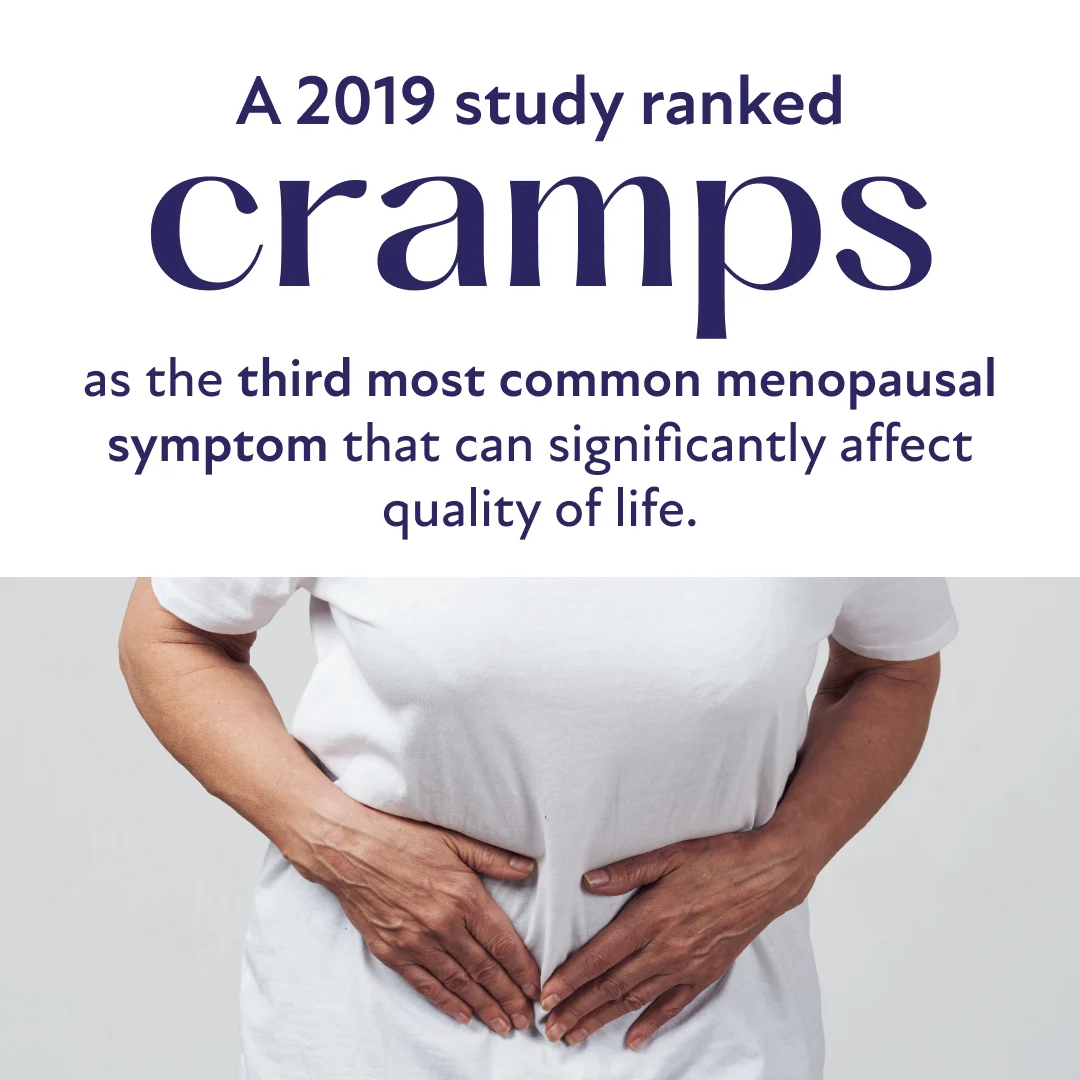
A 2019 study ranked abdominal cramps as the third most common symptom experienced during the menopause transition. Hormonal changes are often responsible, but cramping can also signal gynecologic or gastrointestinal conditions that become more noticeable during this time of life.(1)
This guide explains the most common causes of menopausal cramps, highlights symptoms that need medical attention, and outlines effective strategies for relief within the broader context of women’s health. What follows is a detailed resource designed to help women understand the full picture of cramping during perimenopause and postmenopause.
Causes of Cramping During the Menopause Transition
Cramping during perimenopause and postmenopause does not stem from a single cause. Instead, several physiologic changes interact across the reproductive, endocrine, and gastrointestinal systems.
Understanding these mechanisms is important because the source of cramping determines the most appropriate treatment. According to the American College of Obstetricians and Gynecologists (ACOG), any new, ongoing, or worsening pelvic pain during the menopause transition should be checked by a physician. This helps rule out common, treatable gynecologic conditions and, in rare cases, more serious causes.(2)
Cramping related to this phase of life falls into three main categories:
Hormonal fluctuations
Benign gynecologic conditions
Gastrointestinal issues
Hormonal Fluctuations and Prostaglandins
During perimenopause, estrogen and progesterone levels shift from month to month. This variability changes how the endometrium develops and sheds — changes that create cramping, even when periods become irregular or stop entirely.
Endometrial Changes
Estrogen helps build the uterine lining. Progesterone stabilizes it. When progesterone drops more sharply than estrogen — a common pattern in perimenopause — the endometrium may become thicker and more fragile. As the lining destabilizes, small areas may shed or break down without a full menstrual cycle.(3)(4)This can produce the following:
Period-like cramps without actual bleeding
Spotting or irregular bleeding
Heavier shedding (bleeding) if a period does occur
These sensations may mimic menstrual cramps even when ovulation has stopped.
ACOG notes that this type of endometrial activity is a frequent reason for pelvic discomfort during the transition to menopause.(2)(5)
Prostaglandin Activity
Prostaglandins are hormone-like chemicals that trigger uterine muscle contractions. Research in gynecologic endocrinology shows that fluctuating estrogen levels influence prostaglandin synthesis, causing the uterus to tighten or spasm even without a scheduled cycle.(3)(4)
Increased prostaglandin levels can cause the following:
Tightening or squeezing cramps
Low abdominal cramping
Low back discomfort
General pelvic pressure
For some women, prostaglandin-related pain becomes more noticeable as cycles become irregular, because there’s less predictability in when and how the uterus contracts.
Benign Conditions: Fibroids, Cysts, and Endometriosis
Cramping during menopause can sometimes point to underlying gynecologic conditions. Most are benign but still call for evaluation. ACOG recommends evaluation when cramps change in pattern, intensity, or frequency because conditions like fibroids or endometriosis may persist or become more symptomatic during this stage of life.(2)
Uterine Fibroids
Fibroids are noncancerous growths that respond to estrogen. Studies show that fibroids can remain active during perimenopause and may be the source of the following symptoms:(6)
Cramping or pelvic aching
Pressure on the bladder or bowel
A sensation of pelvic heaviness
Although many fibroids shrink after menopause, some continue to grow due to residual estrogen production from adipose tissue, which can stimulate the fibroid tissue.
Ovarian Cysts
Unpredictable or erratic ovulation during perimenopause increases the chance of developing functional ovarian cysts. A small cyst can be painless, but larger or more complex cysts may cause the following:(7)
Intermittent pelvic pain
Sharp cramping
Lower abdominal pressure or bloating
Sudden pain if a cyst ruptures or bleeds
ACOG advises urgent care if pain is sudden or severe, especially when accompanied by nausea, dizziness, or bleeding.(2)
Endometriosis
Endometriosis can continue past menopause in some cases. Residual lesions can remain hormonally sensitive, even at lower levels of circulating estrogen.(8)
Symptoms may include the following:
Deep pelvic cramping
Pain radiating to the lower back or legs
Pain during bowel movements
Note: Hormone therapy does not typically worsen endometriosis, but evaluation by a physician is recommended when symptoms persist.
Adenomyosis
Adenomyosis happens when endometrial tissue grows into the uterine muscle. Symptoms can remain noticeable into late perimenopause but usually become less common after menopause.(2)
Symptoms may overlap with other conditions and can include the following:
Ongoing or persistent cramping
Pelvic pressure
Heavier or irregular bleeding during perimenopause
A pelvic ultrasound or MRI may be used to evaluate suspected cases, depending on symptom severity.
Gastrointestinal (GI) Issues
GI-related discomfort often feels similar to menstrual-type cramps, which can complicate the picture.
The drop in estrogen during perimenopause and postmenopause influences gastrointestinal motility, gut sensitivity, and the balance of digestive hormones. The GI tract contains a large concentration of estrogen receptors, and studies have documented changes in bowel motility as estrogen declines.(9)
Common GI-related factors that mimic or contribute to cramping include the following:
Irritable bowel syndrome (IBS)
Constipation
Gas and bloating
Changes in gut sensitivity
GI-related cramping often overlaps with pelvic discomfort because the uterus, bowel, and bladder share neural pathways. This can make the source of pain difficult to identify without a clinical evaluation.
Managing Menopausal Cramps
Menopausal cramping responds best to a combined approach that addresses the cause, reduces inflammation, and supports hormonal balance. Treatment ranges from medical therapies like hormone replacement therapy (HRT) to daily habits that help stabilize digestion and reduce pelvic muscle tension.
Because cramping during the menopause transition can stem from hormonal shifts, prostaglandin activity, fibroids, GI changes, or a mix of these factors, management often requires layered strategies rather than relying on a single remedy.
Medical Treatments for Hormonal Cramps
Hormone Therapy
Hormone replacement therapy (HRT), also known as menopause hormone therapy (MHT), is the most effective option when cramping stems from hormonal fluctuations related to lower progesterone, usable estrogen, or residual endometrial activity.
By stabilizing hormones, HRT helps reduce the following triggers:
Estradiol supports more predictable tissue activity in the uterus and reduces inflammation.
Progesterone thins and regulates the uterine lining, which prevents irregular shedding that causes cramping.
Combined therapy helps balance prostaglandin production, reducing the intensity of uterine contractions.
For individuals with a uterus, treatment often includes bioidentical estradiol paired with progesterone. These formulations match the body’s natural hormones and have well-established safety profiles when used appropriately.
Benefits of HRT for Cramping
Research on perimenopausal bleeding patterns shows that stabilizing estrogen and progesterone levels reduces endometrial thickening and prostaglandin sensitivity — two of the most common drivers of discomfort during this phase.(14)
Many individuals also report improvements in related symptoms, such as bloating, back discomfort, and abdominal pressure, which can significantly enhance overall quality of life when hormonal balance is restored.
Formulations Commonly Used
Bioidentical formulations are often preferred in healthcare practice due to their favorable safety profile and tolerability. The Menopause Society recommends the following options:
Topical or transdermal estradiol (patch, gel, cream)
Oral or transdermal micronized progesterone
Vaginal estrogen (used less frequently for cramping relief but sometimes included depending on uterine evaluation)
The appropriate combination depends on factors like the presence of a uterus, bleeding patterns, and overall symptom profile.
Over-the-Counter Pain Relief
Over-the-counter (OTC) medications may play a complementary, short-term role in managing menopausal cramping.
NSAIDs (ibuprofen, naproxen) work by reducing prostaglandin, helping relax uterine muscle fibers and often decreasing pain intensity within an hour or two.(10)
Acetaminophen supports general comfort when NSAIDs are not suitable.(10)
OTCs don’t address the underlying hormonal causes, but they do offer temporary relief, especially when paired with heat or relaxation therapies.
At-Home Remedies for Immediate Relief
Heat Therapy
Heat is one of the most consistently effective alternative tools for menstrual-type cramps.(10)A warm compress or heating pad encourages:
Muscle relaxation in the uterus and surrounding pelvic floor
Increased blood flow, which helps reduce local inflammation
Calming of nerve pathways that amplify pain signals
Clinical studies have shown that continuous low-level heat can be as effective as NSAIDs for menstrual cramping. This makes heat an excellent option for those who prefer non-medication support or need immediate relief.(11)
Gentle Stretching
Stretching that targets the lower back, hips, and abdomen can ease tension and improve blood flow. Slow, controlled movements are generally best for pain linked to the reproductive organs.
Helpful movements include the following:
Pelvic tilts
Cat-cow stretches
Seated forward bends
Hip-opening movements
These exercises help relax the ligaments and muscles surrounding the uterus, which often tighten in response to fluctuating hormone levels.(12)
Relaxation Techniques
The nervous system plays an important role in how cramping feels. Stress increases adrenaline and muscular tension, which can intensify abdominal discomfort.
Effective techniques include the following:
Slow diaphragmatic breathing
Guided relaxation
Yoga-based practices
Brief mindfulness sessions focused on easing pelvic tension
These methods have been shown to modulate pain perception, helping many feel more comfortable during episodes of cramping.(12)
Warm Baths
A warm bath combines heat therapy with the soothing effects of gentle water pressure. Adding magnesium salts may help relax muscles further, although evidence for this benefit is mixed.(12)
Lifestyle and Dietary Adjustments
Long-term strategies can improve overall pelvic health, reduce inflammation, and support stable hormone activity.
Anti-Inflammatory Eating
A diet rich in vegetables, fruits, whole grains, and nuts can lower inflammation and support gut and pelvic health. It’s also important to limit highly processed foods and added sugars.(10)
Some studies link higher omega-3 intake to reduced menstrual-type cramping because these fats compete with pathways that generate pro-inflammatory prostaglandins.(13)
Hydration
Adequate hydration helps maintain healthy bowel function. Constipation is a major contributor to abdominal discomfort during perimenopause and often makes cramping feel sharper. Drinking enough water promotes smoother digestion and reduces bloating, which can mimic pelvic cramping.
Regular Low-Impact Exercise
Movement helps stabilize hormone activity, improve circulation, and reduce baseline inflammation — reducing the severity of cramping over time. Activities like walking, cycling, swimming, or gentle strength training support both pelvic and digestive health.(12)
Exercise also improves mood regulation during the menopause transition, which indirectly helps reduce the intensity of physical symptoms, including abdominal pain.
Finding Clarity and Getting the Right Help for Menopausal Cramps
Pelvic cramping during the menopause transition has many possible causes and often has a benign explanation, but accurate diagnosis is essential. Persistent pain should not be connected solely to hormones without ruling out conditions that may benefit from targeted treatment.
Hormone therapy, over-the-counter medicines, heat, and lifestyle adjustments can provide short-term comfort, but a clear diagnosis offers the most meaningful and effective relief.
A physician can evaluate symptoms, identify the underlying cause, and recommend the best treatment plan within a comprehensive healthcare setting. A professional evaluation is especially important when cramps are persistent, severe, or paired with abnormal bleeding.
For menopausal symptoms that may be linked to hormonal changes, medical guidance can make a significant difference.
Persistent cramping during the menopause transition often needs a medical evaluation to ensure that any underlying condition is properly diagnosed and treated. A Winona doctor can review symptoms, rule out underlying conditions, and help identify whether hormone therapy may be appropriate.
Frequently Asked Questions (FAQs) About Menopausal Cramps
Menopausal cramps without a period can occur for several reasons, depending on the underlying cause. Some common conditions that can cause cramps without a period include IBS, fibroids, and endometriosis.
Perimenopause cramps vary widely. Some occur in a cyclical pattern that feels similar to a period, while others happen more randomly because hormones are changing from month to month. For many, these cramps lessen or change as they move into postmenopause. If the pain is ongoing, more intense than expected, or feels different from usual, it’s important to get evaluated.
Treatment depends on the cause. Heat therapy, gentle stretching, and relaxation techniques can offer quick relief. Lifestyle changes — like regular low-impact exercise, an anti-inflammatory diet, and adequate hydration — may also help reduce cramping over time. When cramps are linked to hormonal shifts, hormone replacement therapy (HRT) can help stabilize hormone levels and ease discomfort. Over-the-counter pain relievers may also be useful for short-term relief.
Cramping during perimenopause is often related to hormonal changes, but certain symptoms should be checked by a doctor. Seek medical care if cramps are severe, persistent, or progressively worsening. Heavy or unusual bleeding, especially after menopause, also deserves prompt evaluation. These symptoms can be linked to treatable gynecologic conditions, and early assessment helps ensure the right care.
This article is for informational purposes only and does not constitute medical advice. The information contained herein is not a substitute for professional medical advice. Always talk to your doctor about the risks and benefits of any treatment.