For some women, the appearance of dry, dull skin during menopause can bring up feelings of self-consciousness. Rest assured, these are normal signs of aging that can be treated with a powerful combination of estriol and tretinoin.
Estriol and tretinoin are two topical, localized medications that address different causes of skin aging. Estriol helps to treat skin changes caused by drops in estrogen levels, while tretinoin works to repair skin damage from years of sun exposure (photoaging).(1)(2)While each medication can be effective on its own, using them together may enhance treatment outcomes, giving women a brighter complexion, reducing the appearance of fine lines and wrinkles, and rejuvenating menopausal skin.
This article will discuss how the two medications work and explore why they complement one another so well. It will also offer tips for getting the most out of combined estriol and tretinoin treatment to help give women a renewed sense of confidence in their changing menopausal skin.
How Menopause Impacts the Skin
Skin aging has internal (intrinsic) and external (extrinsic) causes.(3) Menopause is an intrinsic factor that causes the skin to age faster. Here’s how:
Intrinsic Causes of Skin Aging
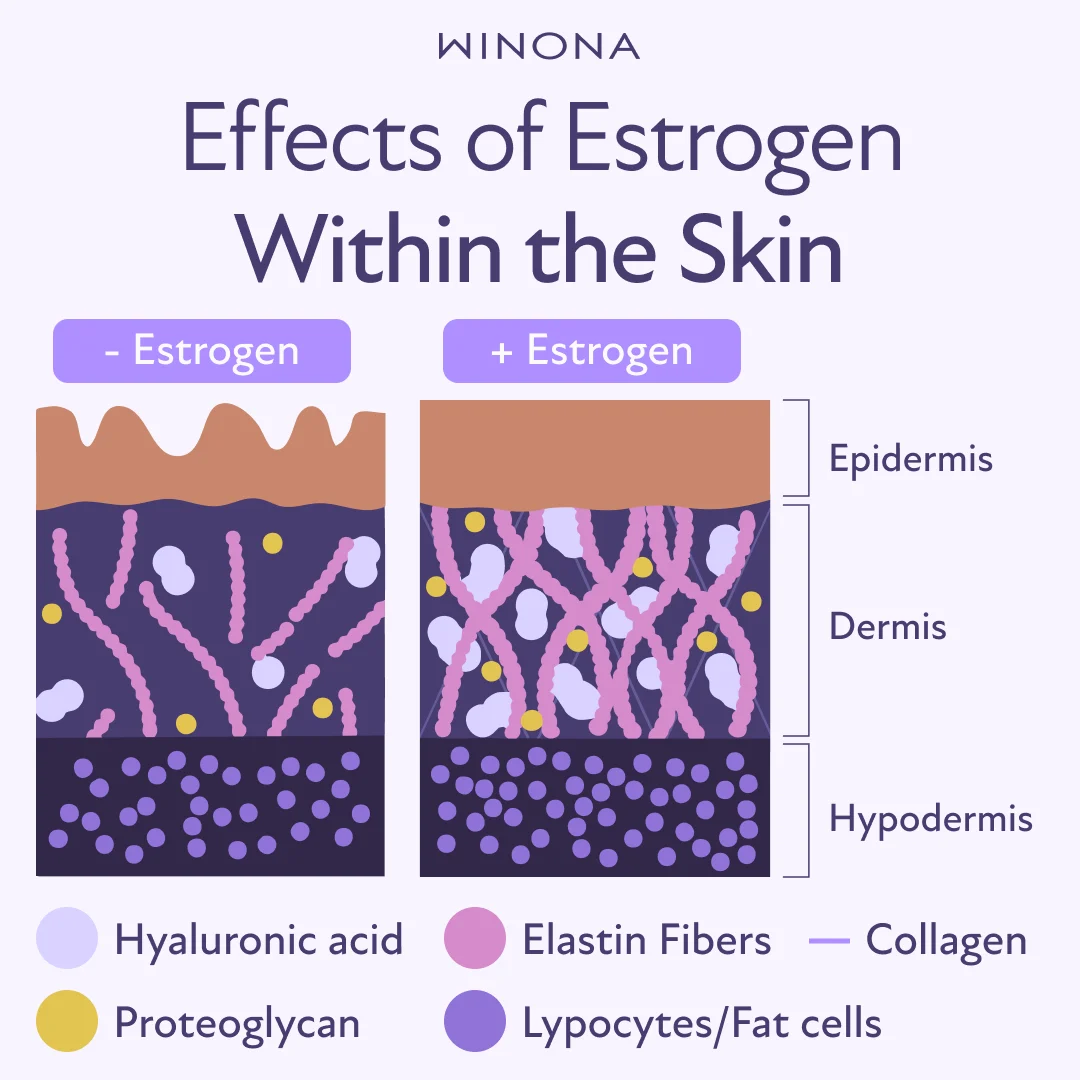
Sex steroid hormones play an important role in skin health. Just like the ovaries and adrenal glands, the skin also produces estrogen. As hormone levels shift during menopause, a loss of estrogen makes the skin less elastic. Collagen production also declines as a result of estrogen deficiency.(1)(4)
Different stages of menopause also affect skin symptoms. Dry skin tends to be more common during early perimenopause, when estrogen levels begin to fluctuate. In comparison, itching, sagging, and skin thinning are more common during later stages of the menopausal transition as estrogen levels progressively decrease.(5)
Extrinsic Causes of Skin Aging
Photoaging is an extrinsic factor that also contributes to skin changes later in life. Photoaging is premature skin aging that occurs when the skin becomes damaged from long-term exposure to ultraviolet (UV) rays. This causes a breakdown of collagen and elastic fibers, as well as damage to blood vessels and DNA.(2)
Common signs of photoaging include the following:(2)
The combined impact of menopause and photoaging on the skin can negatively affect self-image. Combining estriol and tretinoin as a targeted skincare treatment can give women the confidence they deserve as they navigate this phase of life.
Estriol's Role for Menopausal Skin
The female body naturally produces three main types of estrogens: estradiol, estrone, and estriol. As estrogen levels rise and fall throughout the menopausal transition, this causes structural changes to the skin.(6)
Topical, localized estriol creams are an effective treatment for menopausal skin changes caused by low estrogen levels. The medication has been shown to promote elastic fiber formation, which supports skin firmness and elasticity. Estriol creams have also been shown to boost hydration and reduce wrinkles.(1)(7)
Estradiol is the most potent estrogen in the body — about 80 times stronger than estriol.(8) While there are potential risks associated with any medication, because estriol is considered a weaker estrogen, and there is typically less systemic absorption with localized medications, topical, localized estriol may pose fewer health risks than other types of hormone therapy.(6)
Tretinoin's Power: The Gold Standard for Mature Skin
Tretinoin is a first-line topical retinoid treatment for photoaging. It’s a derivative of vitamin A that’s also used for acne treatment.(2)(9)The medication works by stimulating the production of collagen and blood vessels. It also increases cell turnover. As a result, women may experience improvements in complexion, wrinkles, and hyperpigmentation.(2)Topical tretinoin comes in different concentrations and may cause side effects, including dry skin, redness, burning sensations, peeling, or scaling.(2) However, the addition of a gentle estrogen like estriol may benefit menopausal women, who tend to have more sensitive skin.
Why Combine? The Science of Estriol + Tretinoin Synergy
The combination of estriol and tretinoin can help treat mature skin holistically. Estriol can help improve menopause-related skin changes, while tretinoin can address cellular damage to reduce signs of photoaging.(1)(2)
Complementary treatment may further enhance skin elasticity, firmness, and collagen production compared to using only one product or the other. Combined estriol and tretinoin treatment may also help even the skin’s tone and texture and improve women’s overall skin health during menopause.
Estriol + Tretinoin Benefits: Why This Duo Is a Game-Changer for Menopause
Women interested in reducing menopausal skin changes and signs of photoaging may experience a variety of benefits with combined estriol and tretinoin treatment:(1)(2)(7)
Increased skin hydration
Improved skin elasticity
Even skin tone
Enhanced brightness
Improved skin texture
Improved firmness
Fewer fine lines and wrinkles
Reduced dark spots
Increased elastin and collagen production
Healthy renewal of skin cells
Increased epidermal thickness
Greater skin resilience
How to Seamlessly Integrate Estriol and Tretinoin into a Facial Routine with a Single Cream
Estriol and tretinoin are best used together in an all-in-one product, which makes for easy, nightly application. Applying the medication in the evening is key, as sun exposure can inactivate vitamin A.(10)The following tips can make it easy to work a face cream with estriol and tretinoin into your daily facial routine:
Start slow: Begin by applying the medication one or two nights a week. This will help to avoid irritation as the skin adjusts to treatment, a period known as “retinization.” After washing and thoroughly pat-drying the face, use ¼ to ½ of a pump to dispense a pea-sized amount of medication into the hand. Gently pat the cream into the skin across the face.
Try the sandwich method: Women with dry or sensitive skin can use the “sandwich” method to reduce potential irritation. This involves using a light moisturizer to hydrate the skin both before and after applying the medicated cream. Just be sure the moisturizer does not contain retinol, glycolic acid, or alpha hydroxy acid, which may further aggravate the skin.
Have a skincare support system: Wash the face first thing in the morning to clean off the medication using a gentle, non-stripping cleanser followed by a hydrating moisturizer. Keep the skin protected from UV rays all day long by applying a UVA/UVB sunscreen with SPF 45 or higher.
It's important to consult a healthcare provider about which products are safe to use with estriol and tretinoin. The cream should not be used with harsh exfoliants or other topical products containing vitamin C, alpha-hydroxy acids (AHAs), beta-hydroxy acids (BHAs), or azelaic acid.
What to Expect: Patience, Persistence, and Progress
While the cream won’t produce instant results, women may begin to notice the following skin improvements over time:
After 2-3 Weeks: Improvements in hydration, texture, and complexion may be seen within a few weeks after starting treatment.
After 3-6 Months: More significant improvements may slowly occur with long-term use, such as increased skin thickness, firmness, and improvements in the appearance of fine lines and wrinkles.
Consistency plays an important role in treatment progress. Sticking to a consistent treatment regimen is essential, even if the frequency of application needs adjusting.
Studies have shown that estriol and tretinoin have the potential to transform women’s skin during menopause.
In a research article published in the International Journal of Women’s Dermatology, the authors cited multiple studies that demonstrated the benefits of topical estrogen on menopausal and postmenopausal skin.(7)
One study cited showed that women who used either estradiol or estriol face cream for six months experienced improvements in skin elasticity, firmness, hydration, and pore size. However, the estriol face cream produced slightly better results and more quickly than the estradiol face cream.(7)
Alternatively, in a case study published in SAGE Open Medical Case Reports, researchers examined the effects of tretinoin on the facial skin of a woman experiencing postmenopausal acne and signs of photodamage.(11)
After just one month of treatment, her complexion was brighter and her acne had improved. After three months of treatment, her acne had further improved and signs of photodamage were reduced. As a result, the woman noted feeling more confident in her appearance.(11)
Is this combination right for you?
Combined estriol and tretinoin treatment may be a good fit for women who have entered the menopausal transition and want to minimize signs of skin aging. However, this combination may not be right for some individuals.
Women with skin conditions like eczema should consult with their doctor to determine if estriol and tretinoin treatment is appropriate. If so, a doctor may recommend using the medication sparingly. Tretinoin may also increase certain health risks, including a heightened sensitivity to UV rays.(12) Women should talk with their healthcare provider if they have any allergies or health conditions or if they use other medications, supplements, or topical products.
Women eligible for treatment should speak with their doctor or dermatologist about the safest way to combine estriol and tretinoin.
It’s important to note that Winona does not prescribe estriol and tretinoin face cream to women with a history of hormone-sensitive cancers.
Dr. Saranne Perman
MD, undefined
Embrace Your Best Skin Through Menopause and Beyond
Menopause may present unique challenges to skin health. For some women, signs of skin aging may impact their mental health. Using topical products like estriol and tretinoin that address photoaging and structural skin changes during menopause can help women achieve bright, vibrant skin to support their emotional well-being during this transition.
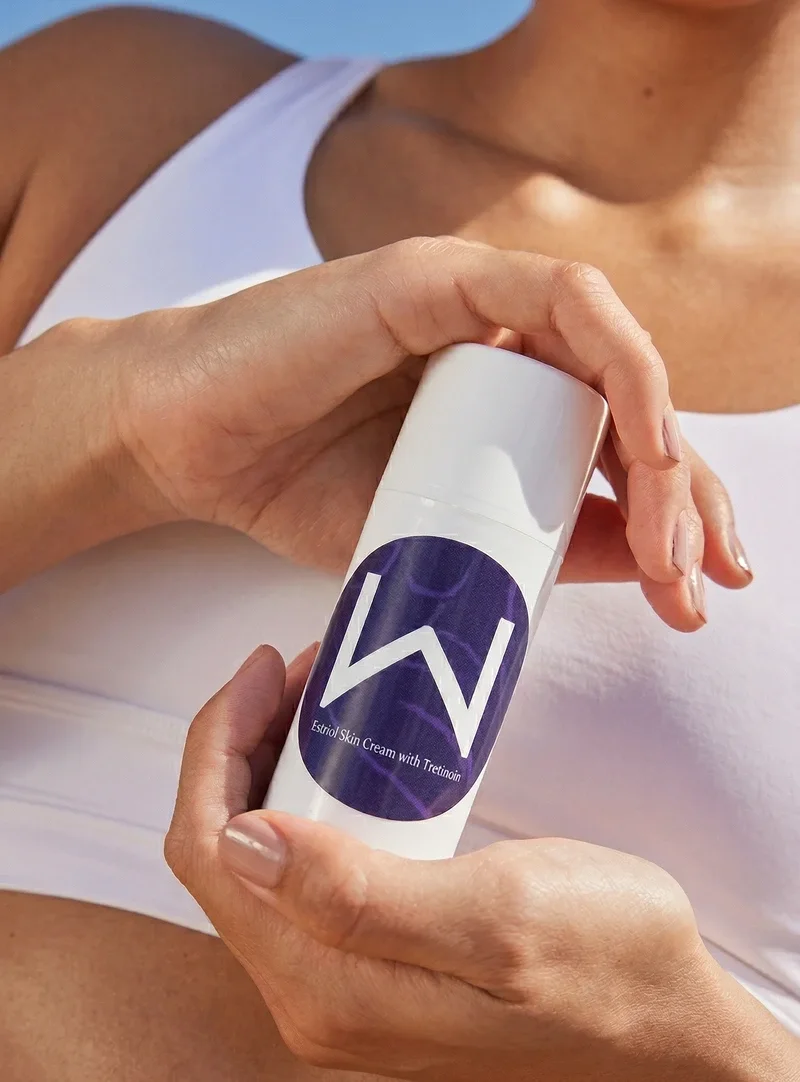
If you’re noticing distressing skin changes, consult with a Winona physician to see if Estriol Face Cream with Tretinoin could support your personal skin goals.